Smart Money
Changes Everything
Empowering Hope and a Future
Through Financial Education
Proven Outcomes
Financial Education Should Create More Than Awareness.
It Should Create Change.
Effective financial education isn't measured by how much information is presented. It's measured by what people understand, what they remember, how their confidence changes, and what they're prepared to do differently.
At Smart Money Changes Everything, we design financial education around clear learning objectives, engaging experiences, practical application, and meaningful outcome measurement.
The case studies below demonstrate how that approach has been applied across different audiences—and the measurable difference thoughtful financial education can make.

Case Study Reports
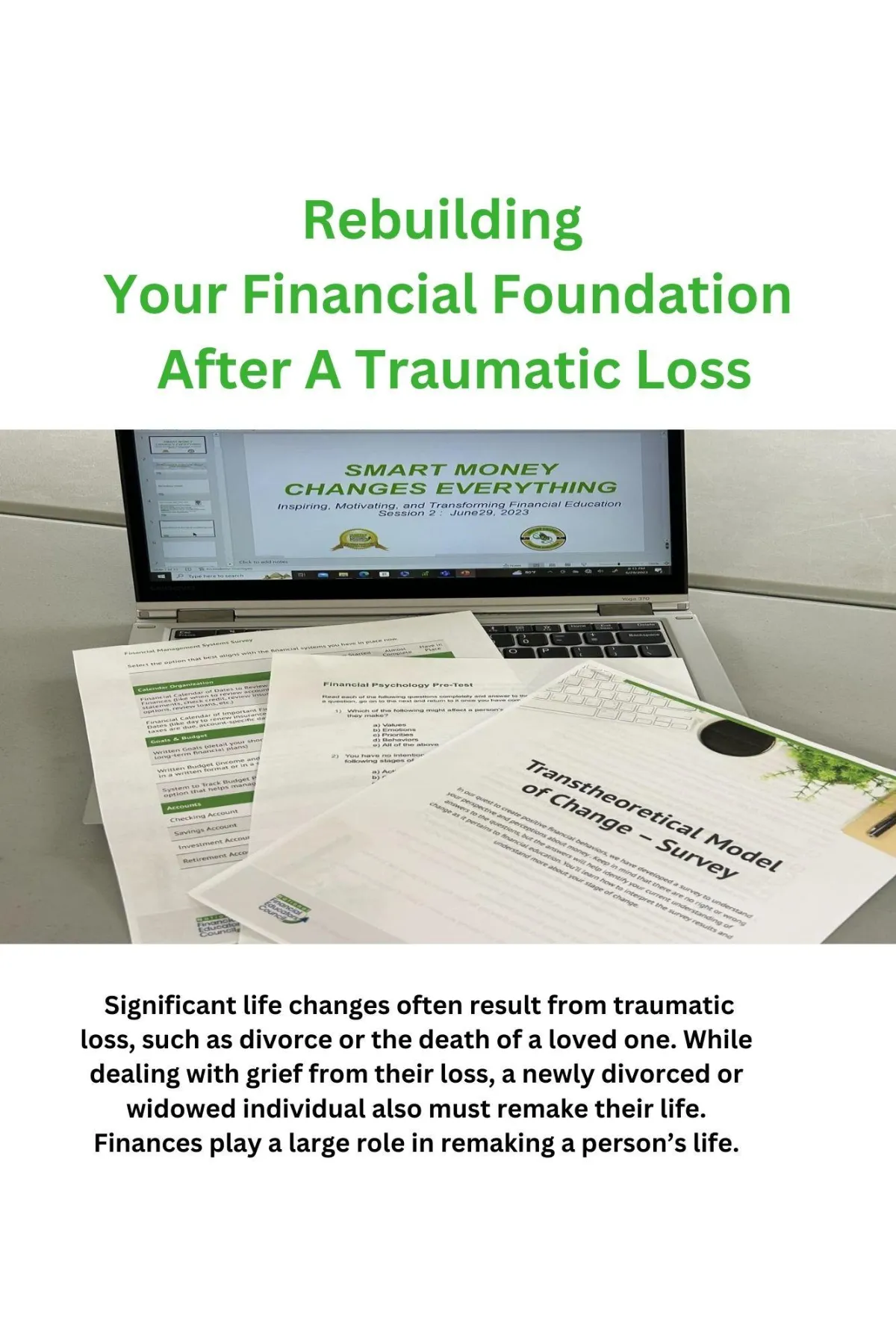
Rebuilding Your Financial Foundation After
A Traumatic Loss
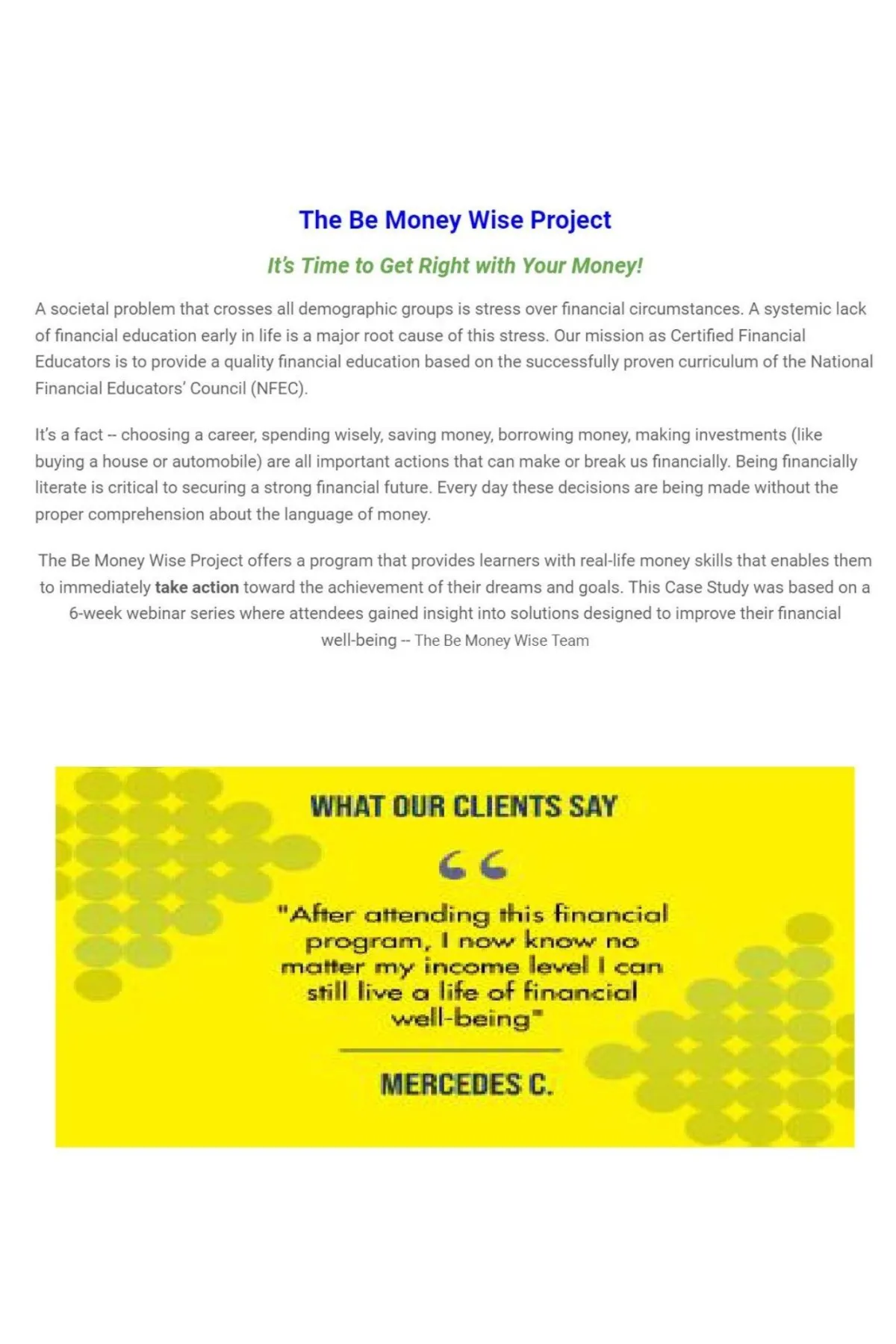
The Be Money Wise Project:
It's Time To Get Right With Your Money
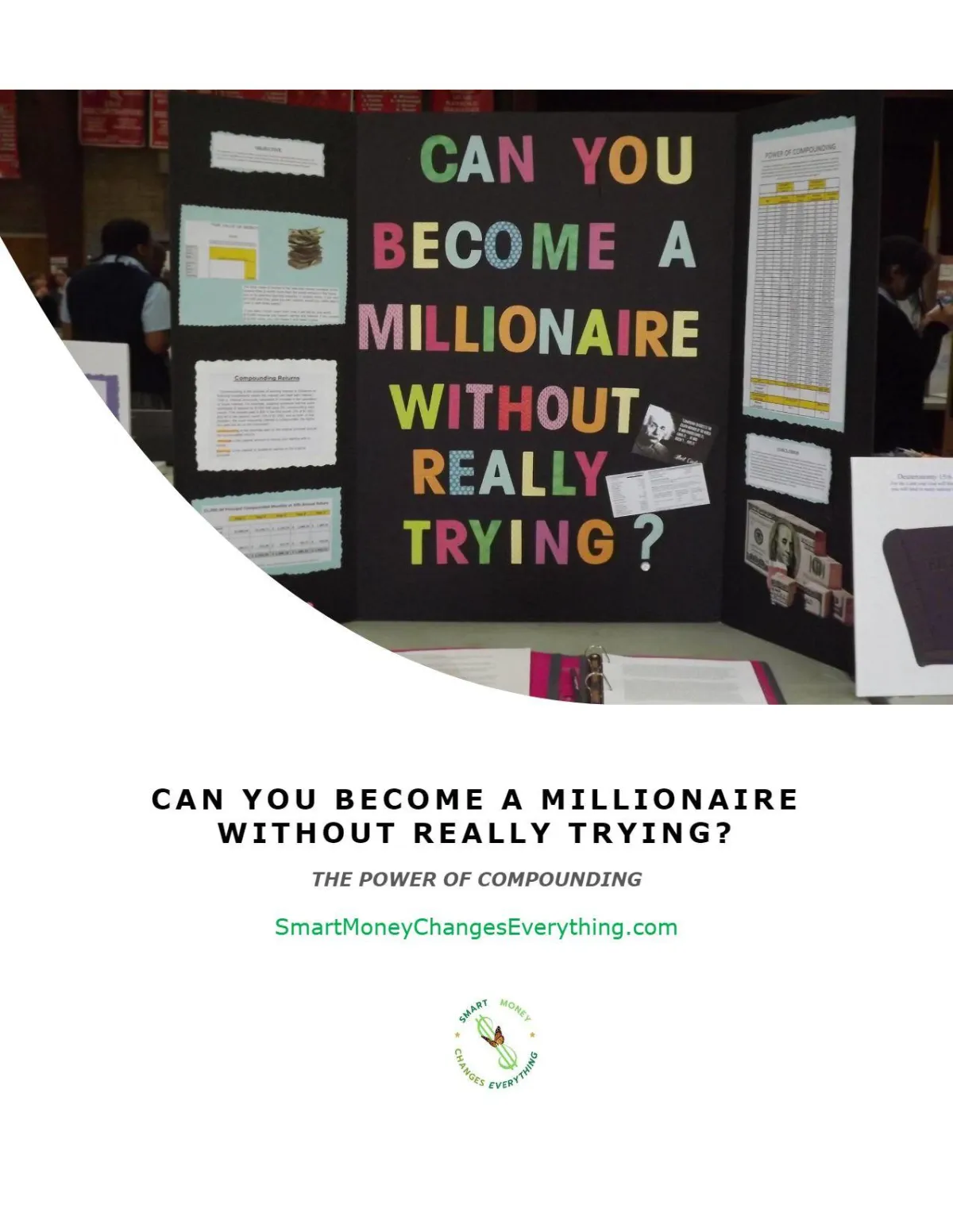
Can You Become A Millionaire Without Really Trying?
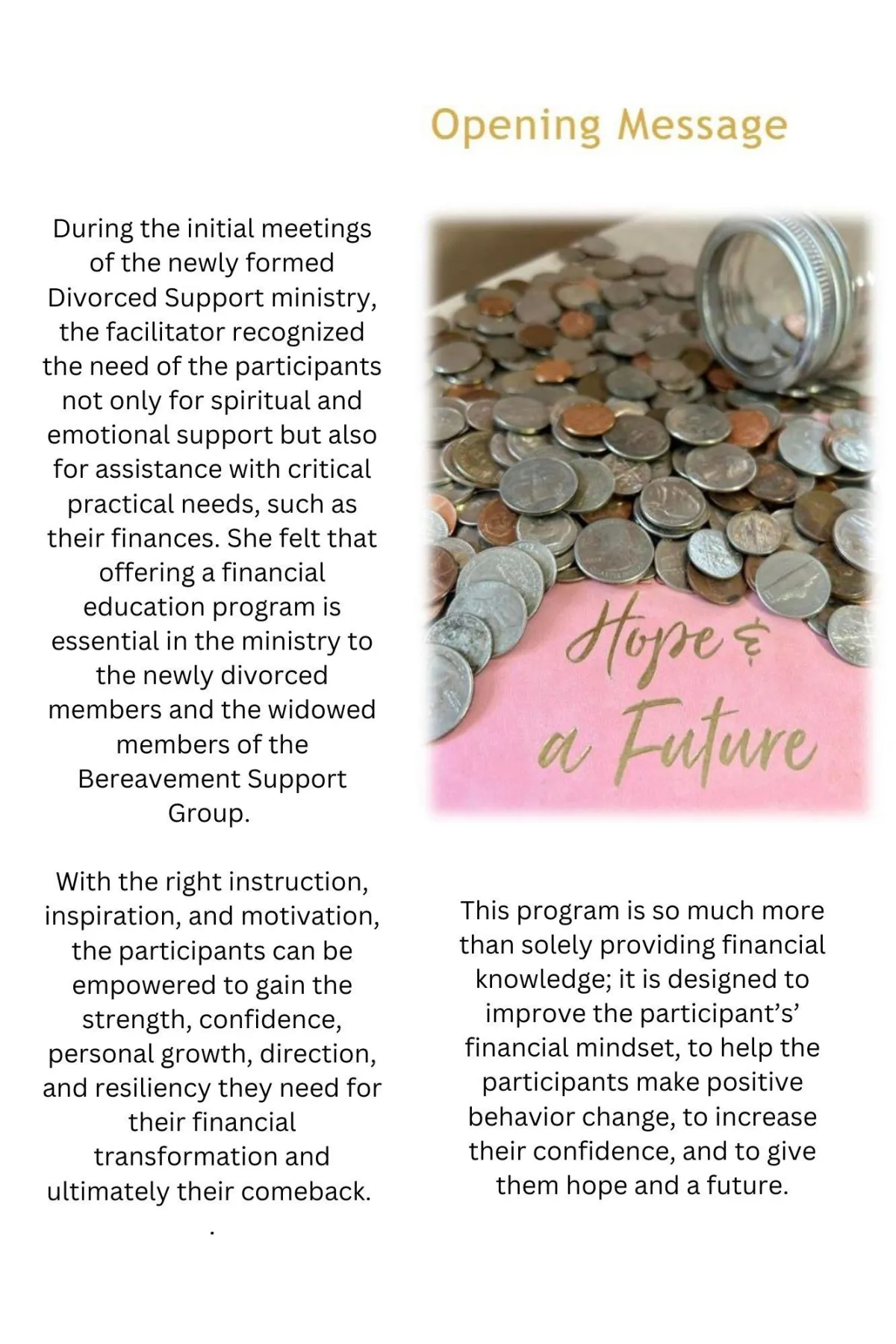
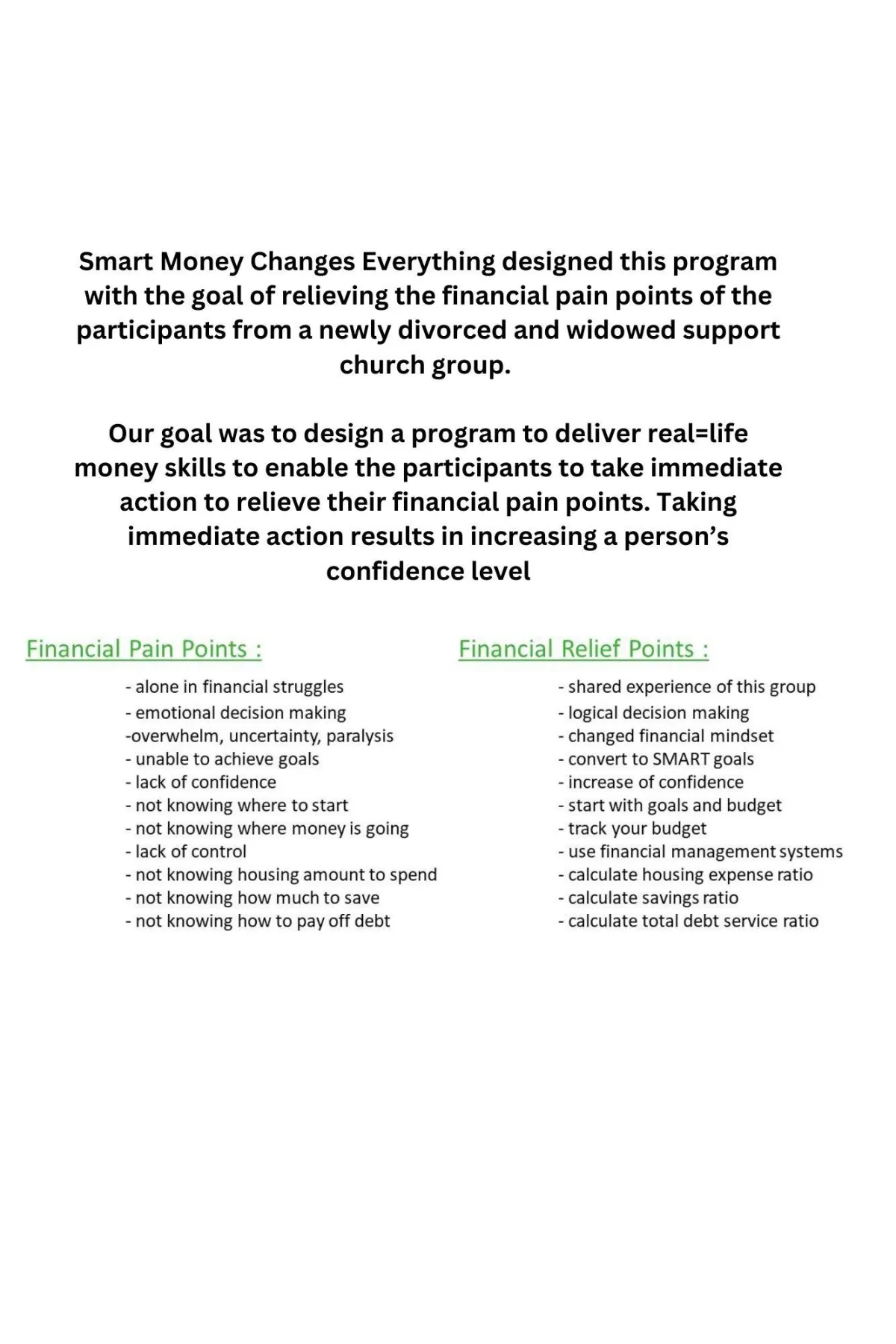
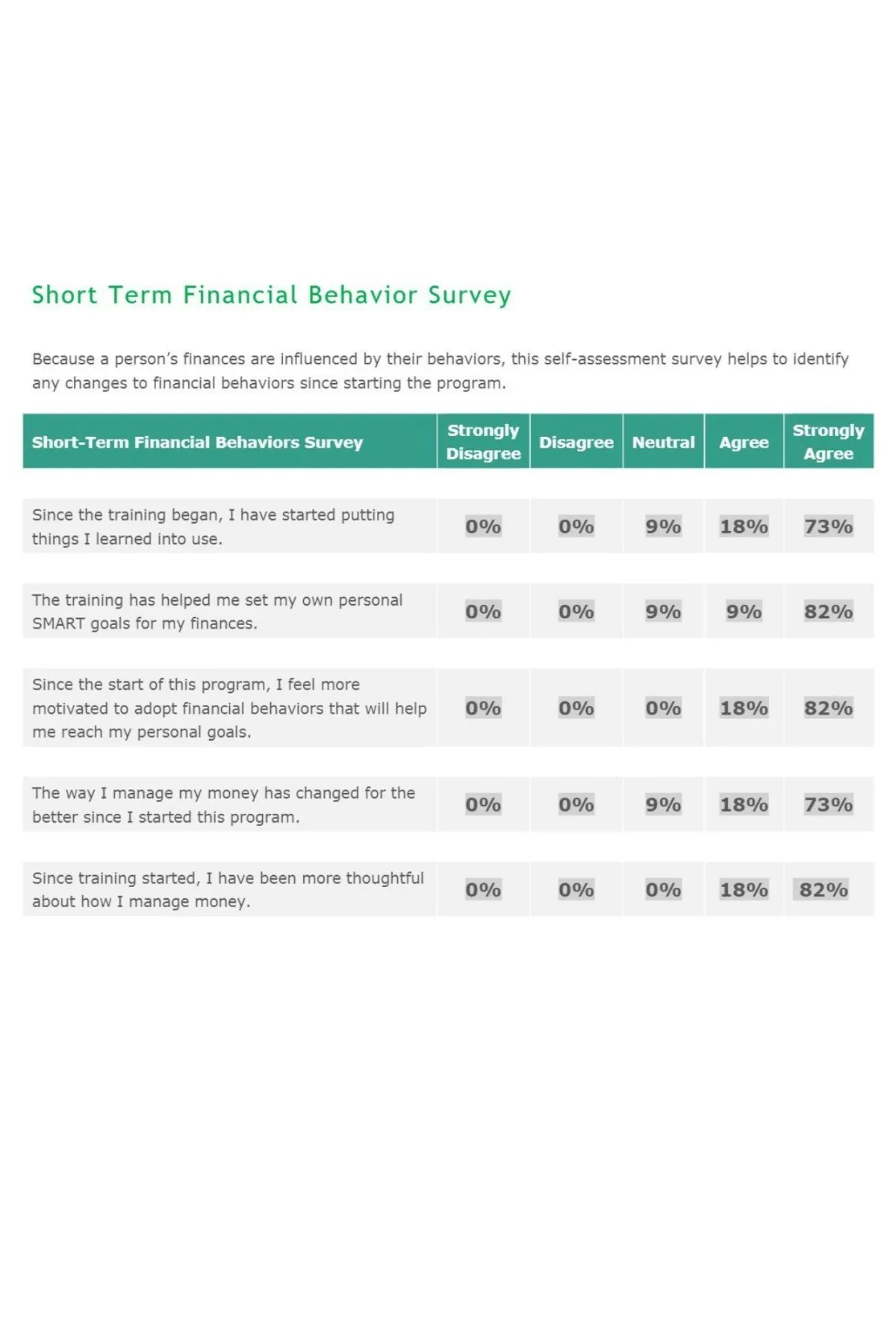
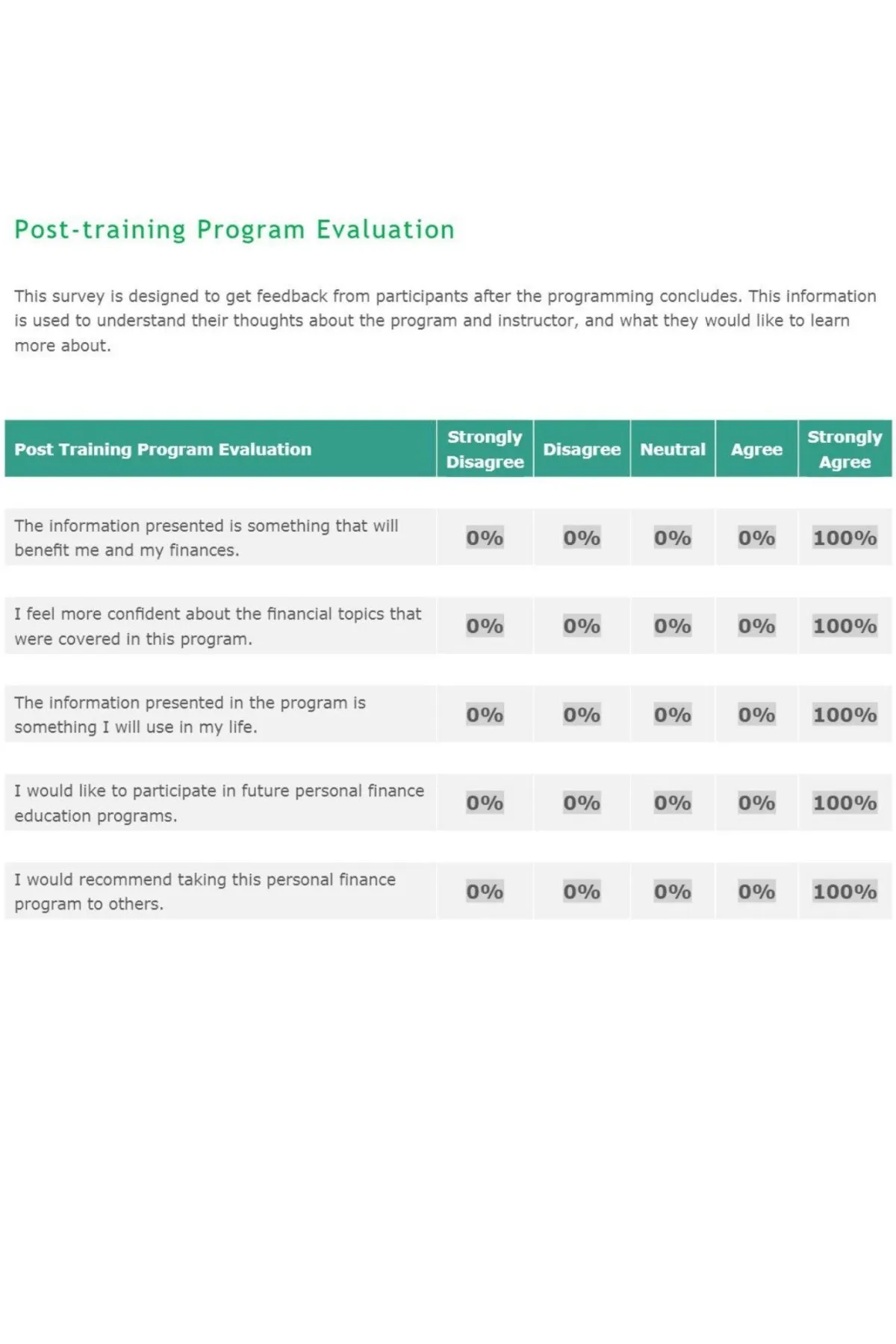
THE AUDIENCE: : Recently divorced and widowed adults navigating significant financial transitions.
THE CHALLENGE: The participants are forced to remake their financial lives and handle their money alone, some for the very first time.
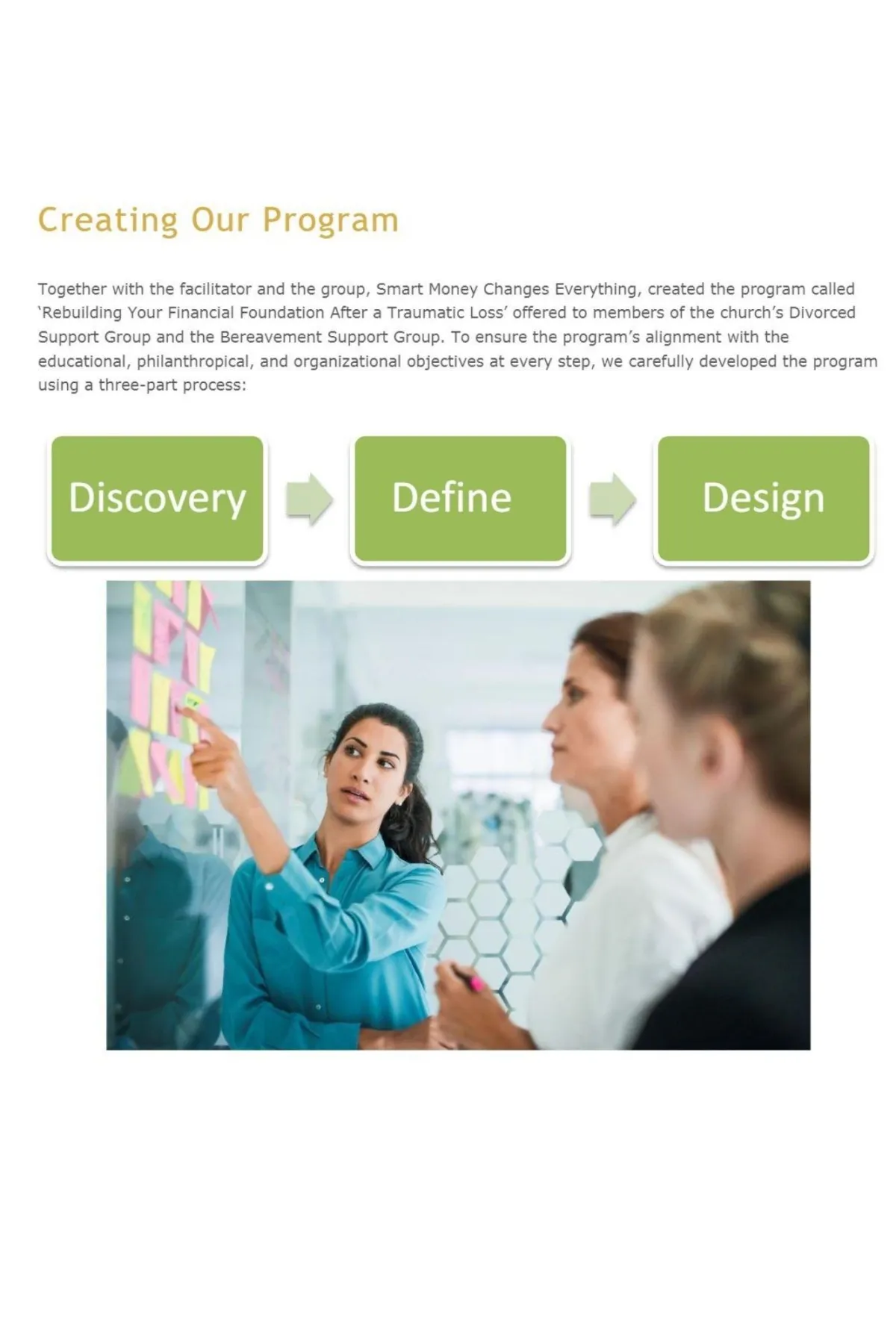
THE APPROACH: The program was designed to address the particpants' financial concerns and to motivate them to take positive actions to overcome their financial pain points.
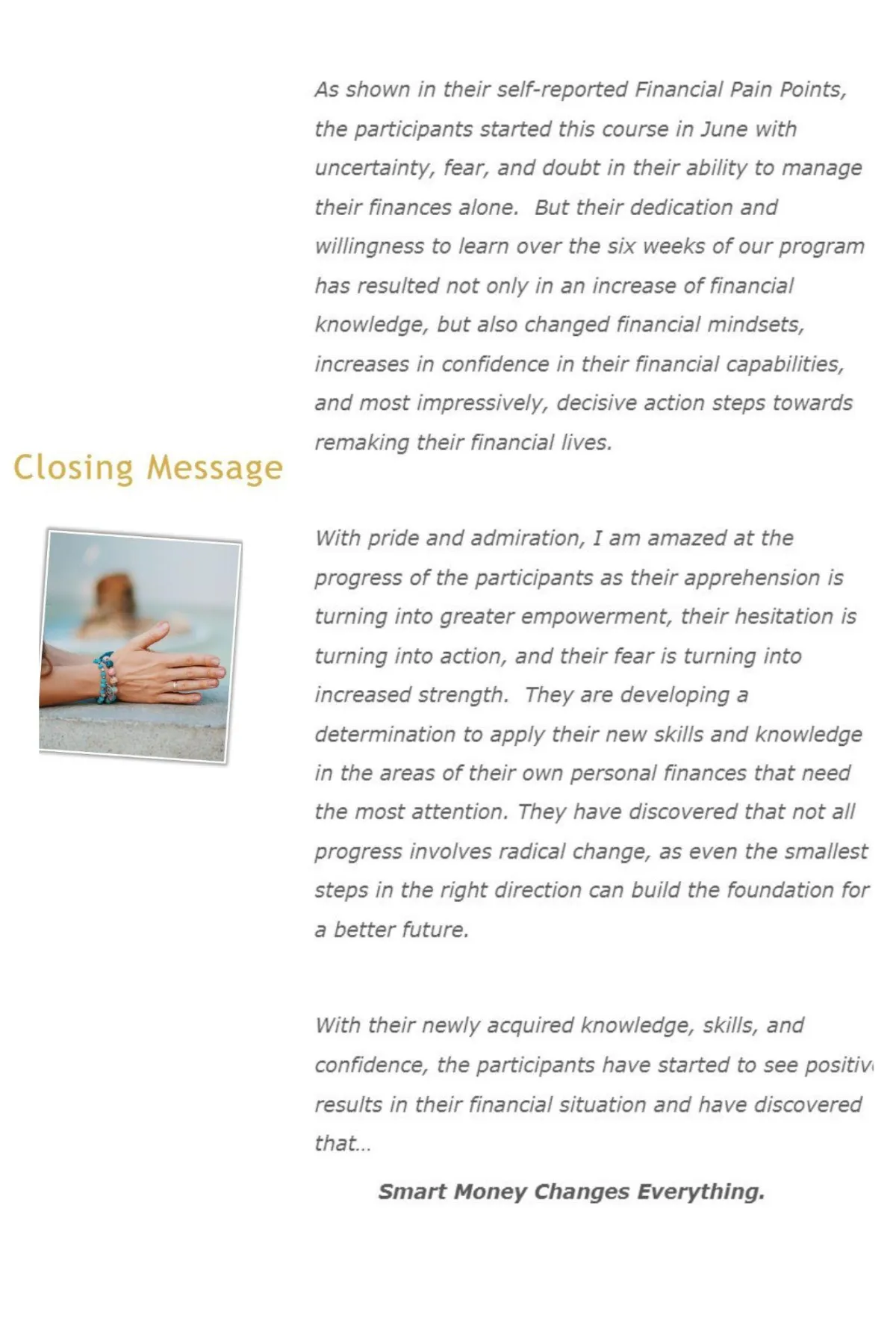
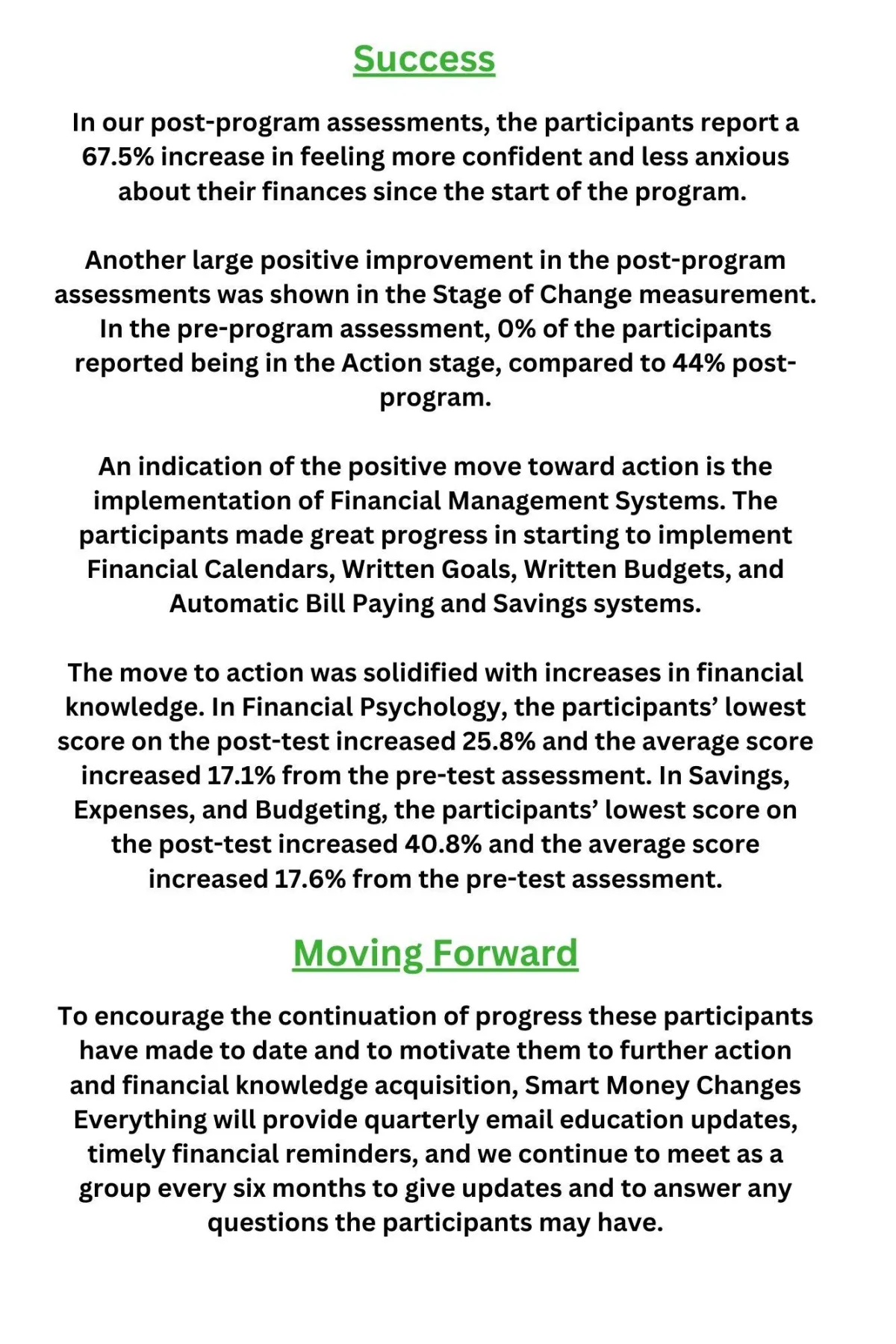
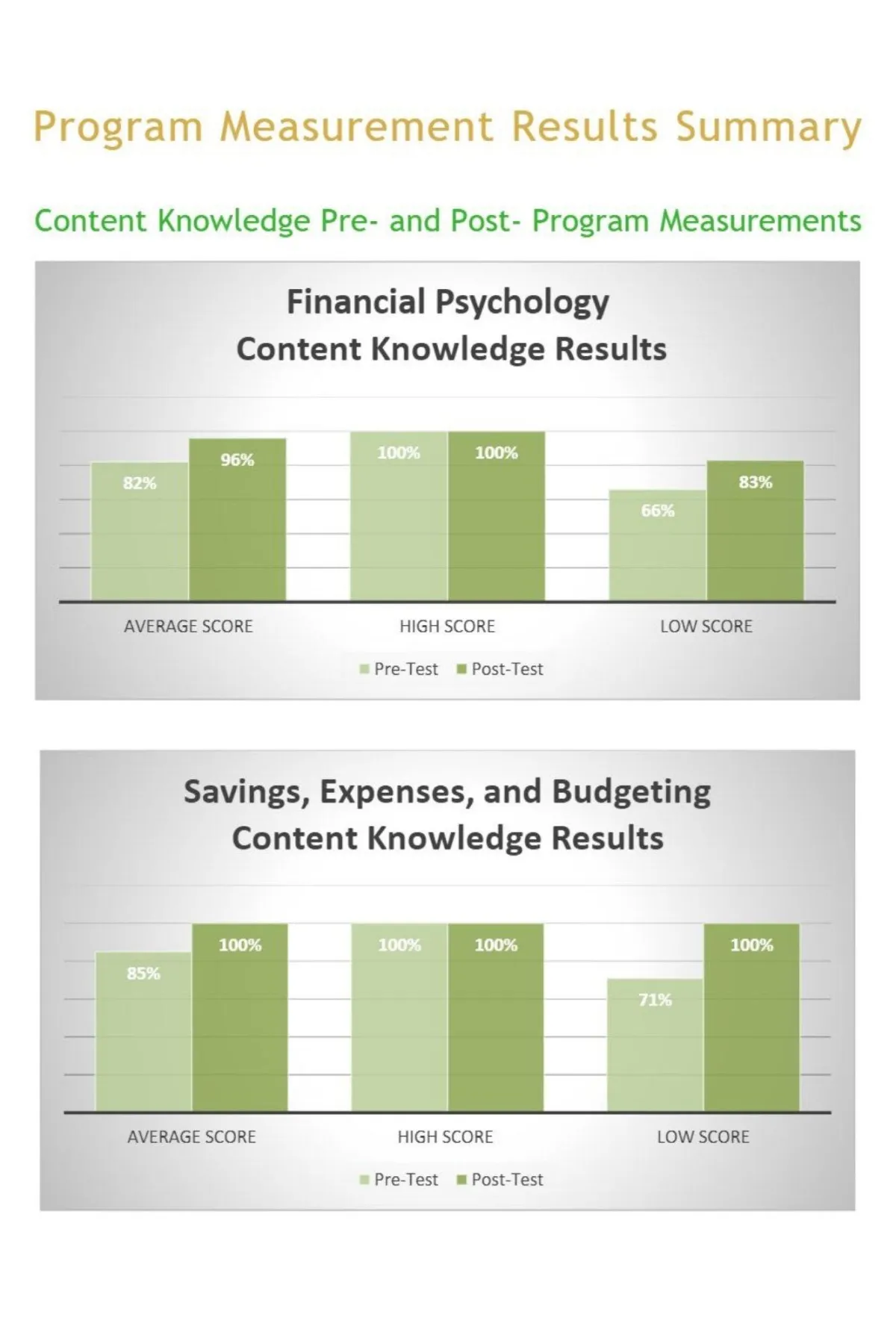
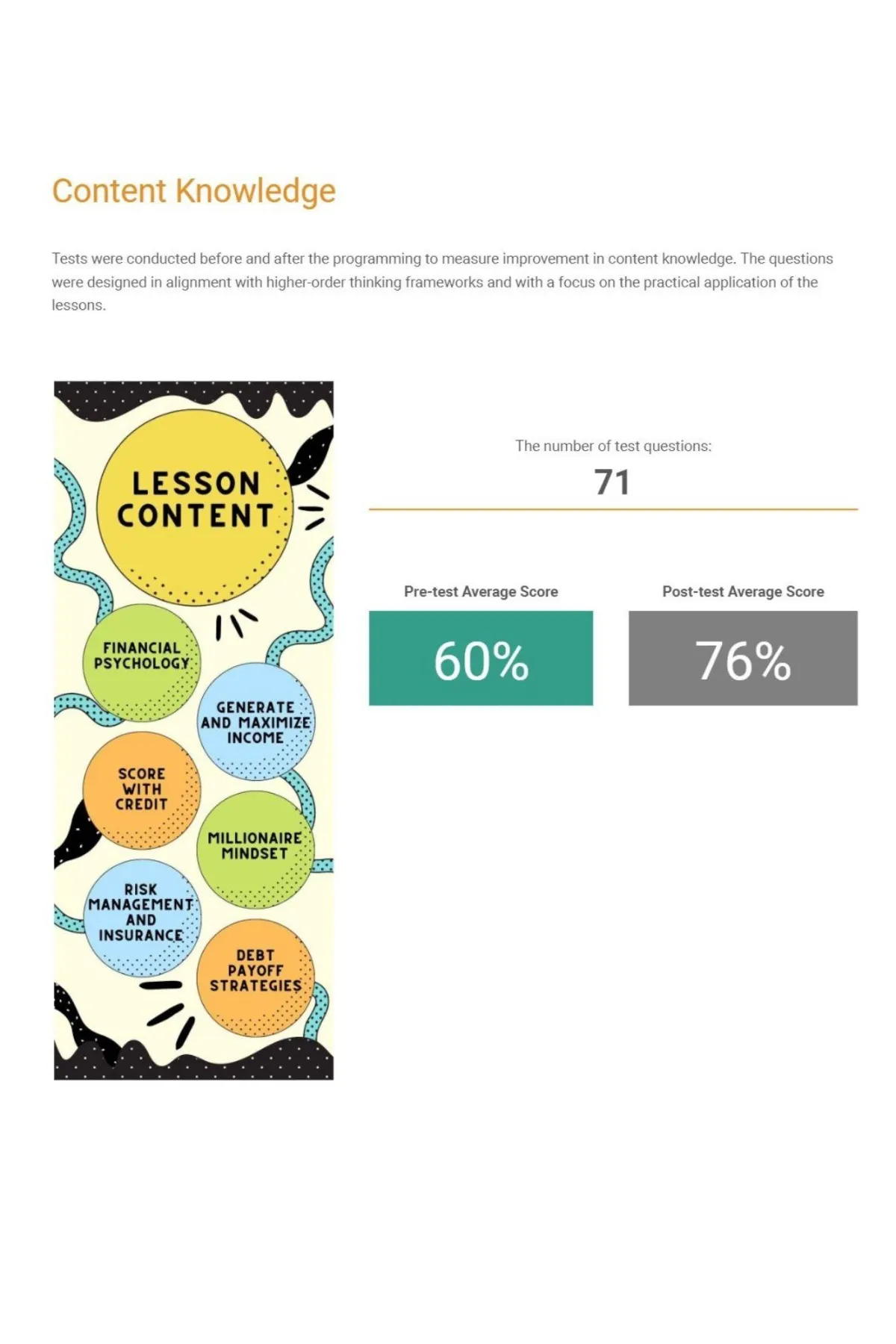
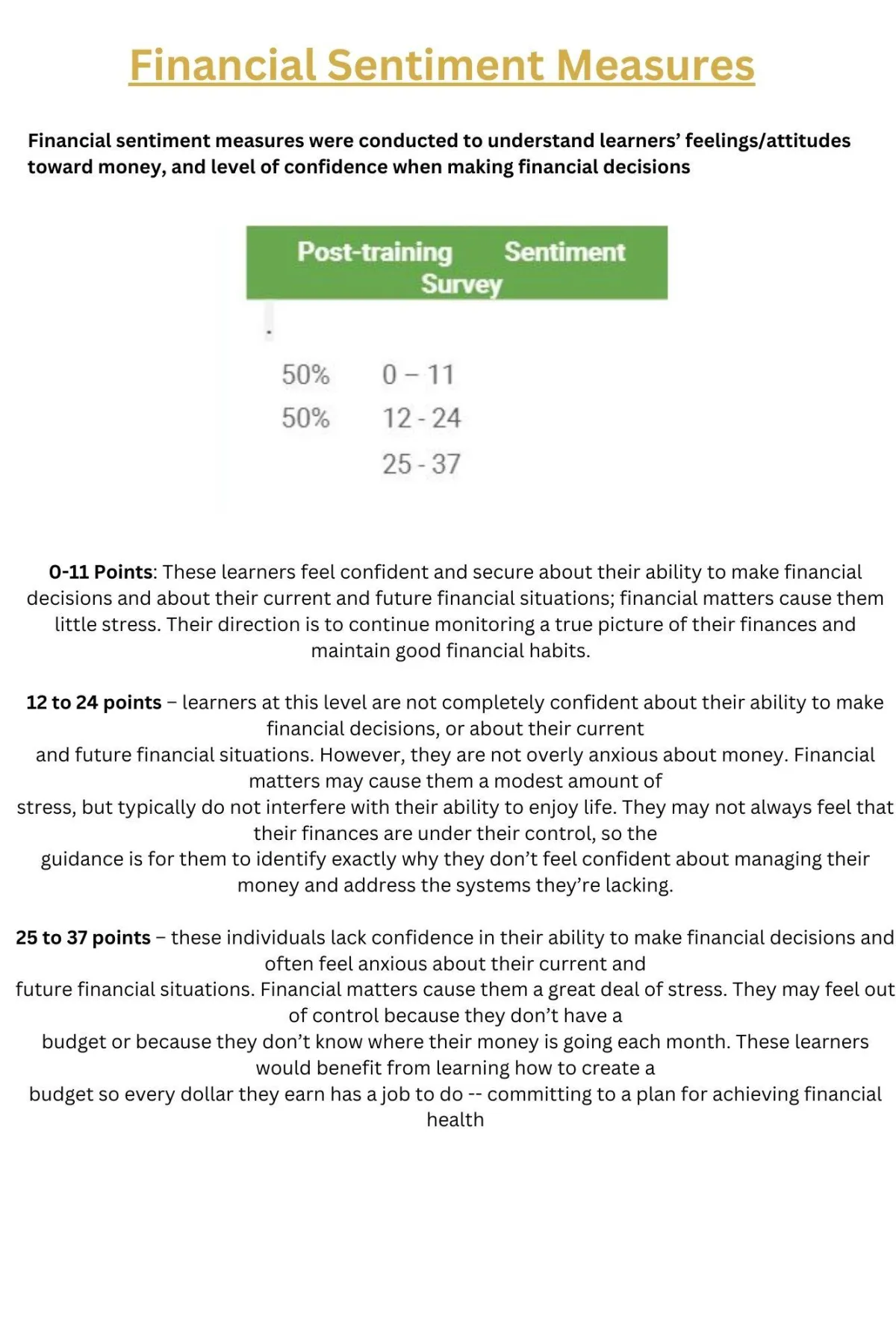
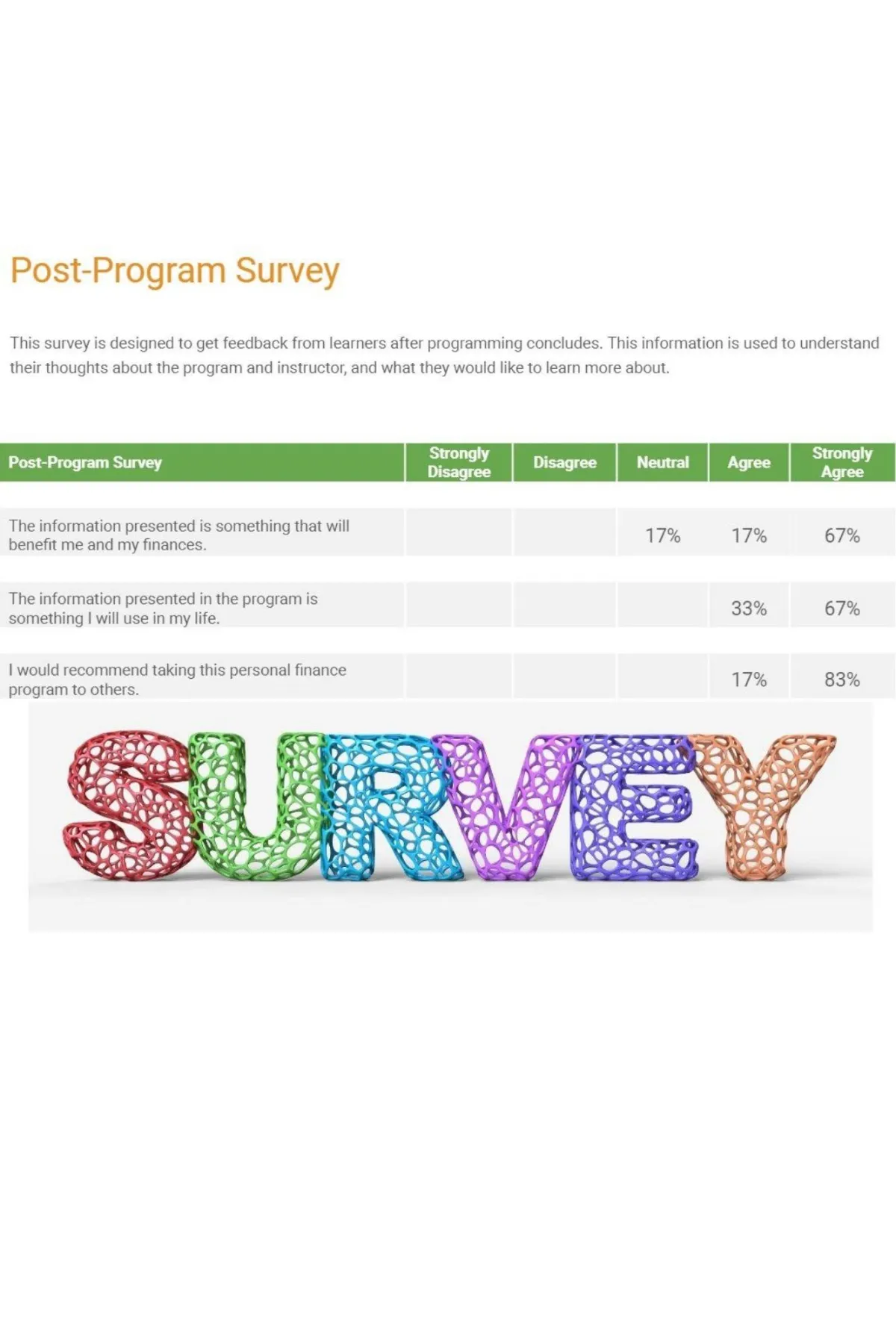
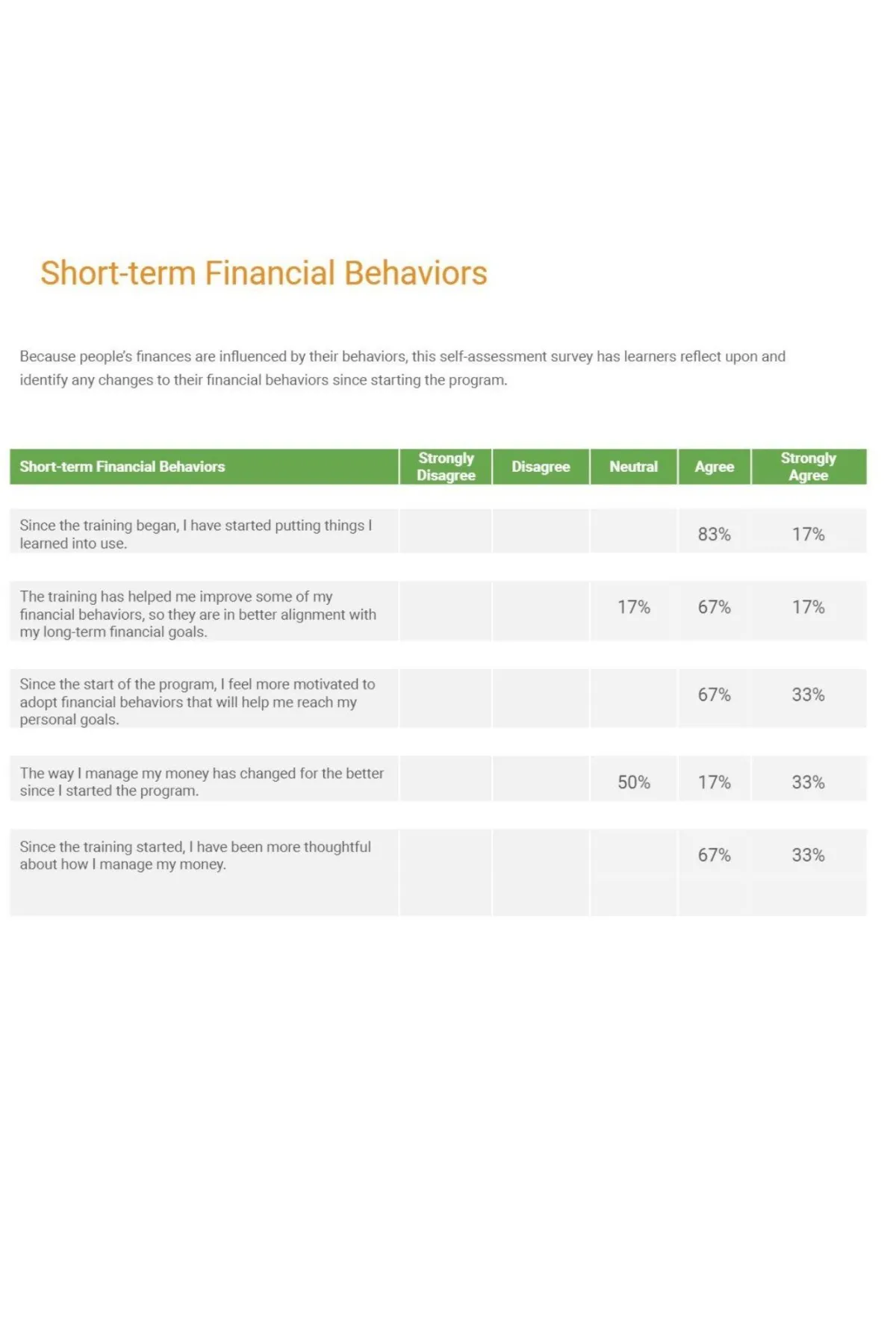
THE OUTCOME: The participants not only increased their financial knowledge, they also made measurable gains in confidence in their financial capabilities and decisive action steps towards remaking their financial lives.
THE AUDIENCE: Millennials, Gen Z, and others starting their financial journey who are planning their financial future and securing their financial future.
THE CHALLENGE: Turning broad financial concepts into practical behaviors participants could understand and implement.
THE APPROACH: The program was designed to deliver real-life money skills to give the participants the skills and confidence to take immediate action.
THE OUTCOME: Measurable gains were achieved in financial knowledge, confidence, and willingness and ability to take immediate action.
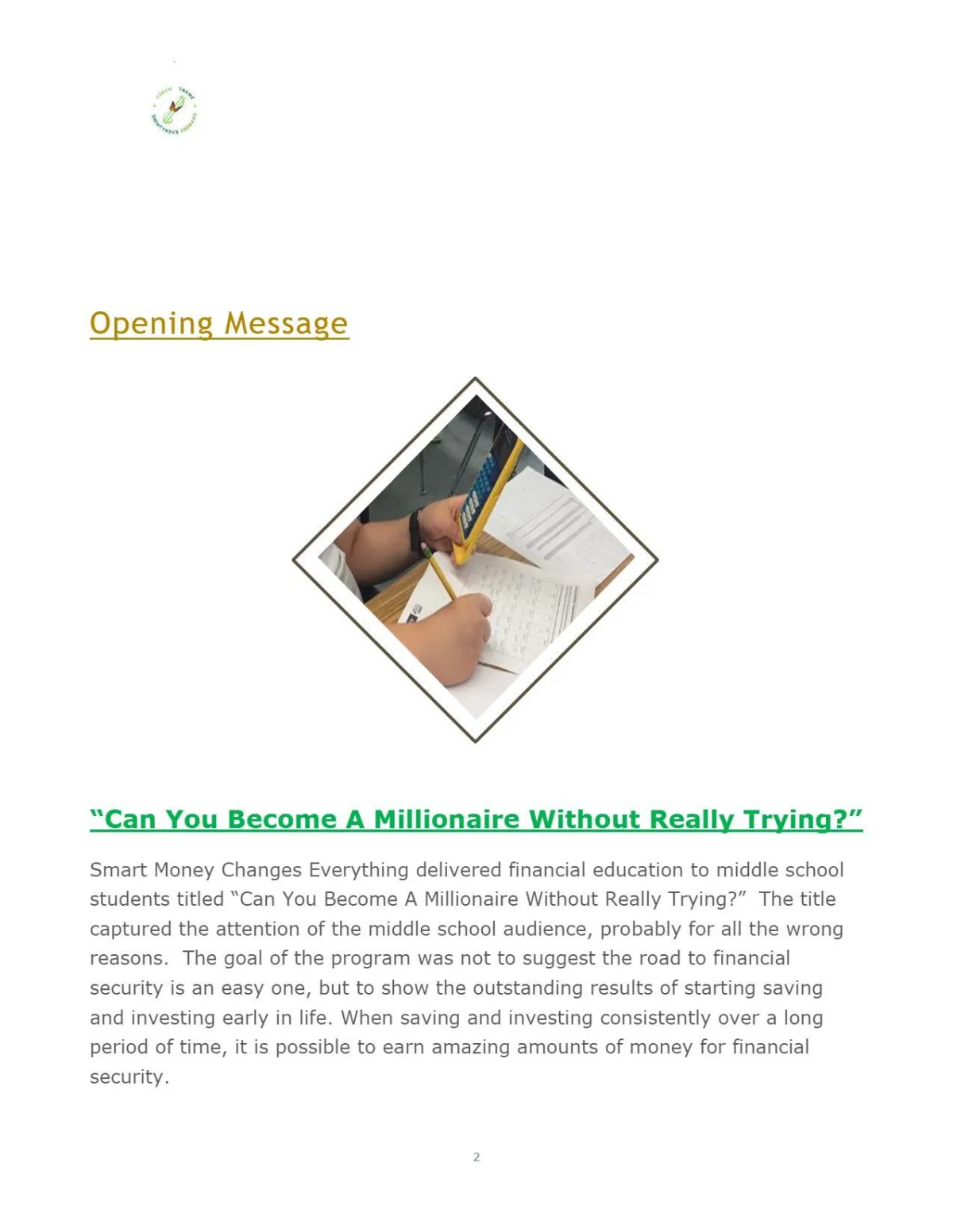
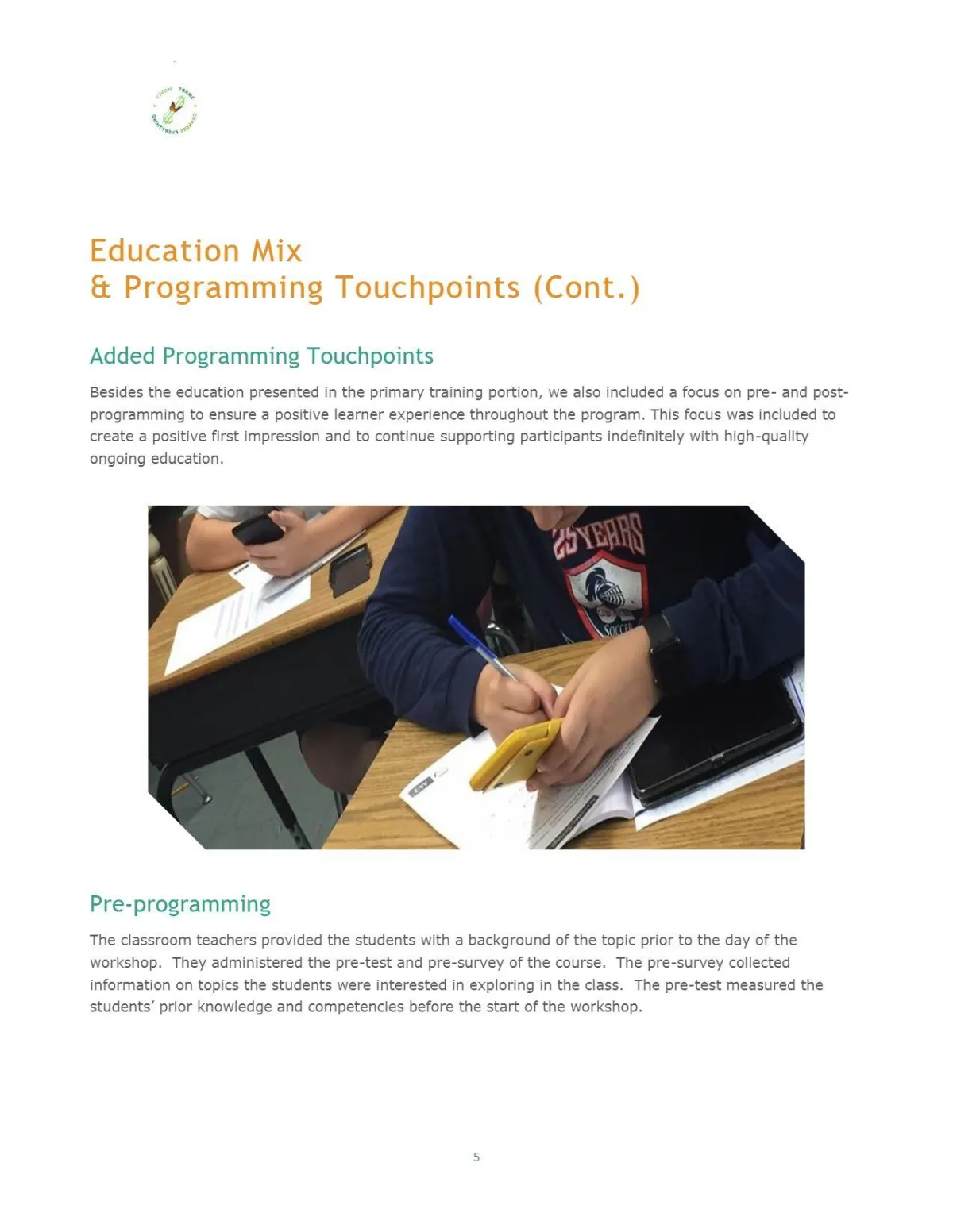
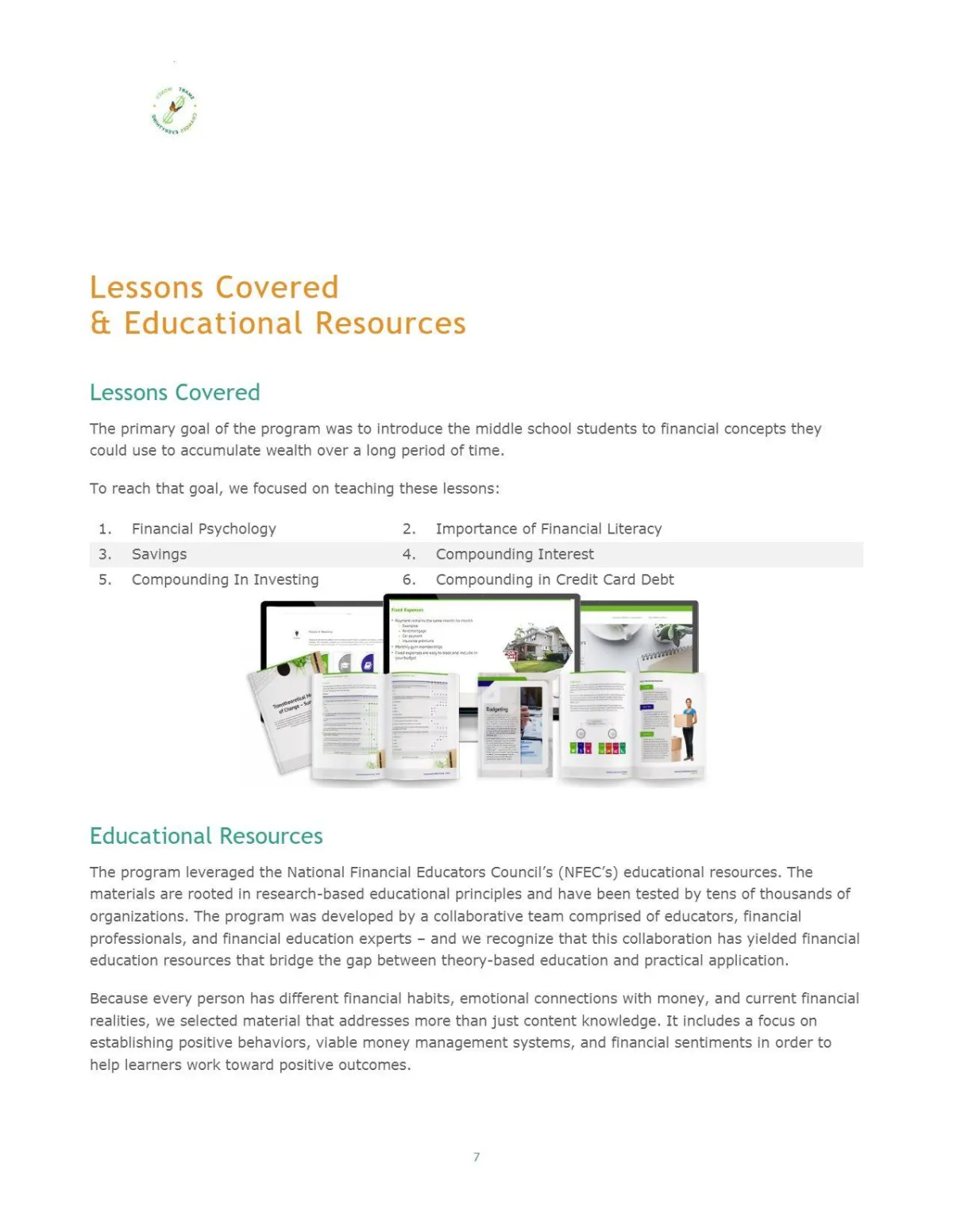
THE AUDIENCE: 5th, 6th, 7th,and 8th grade middle school students
THE CHALLENGE: Difficulty in making the subject matter relevant to middle school students' daily lives.
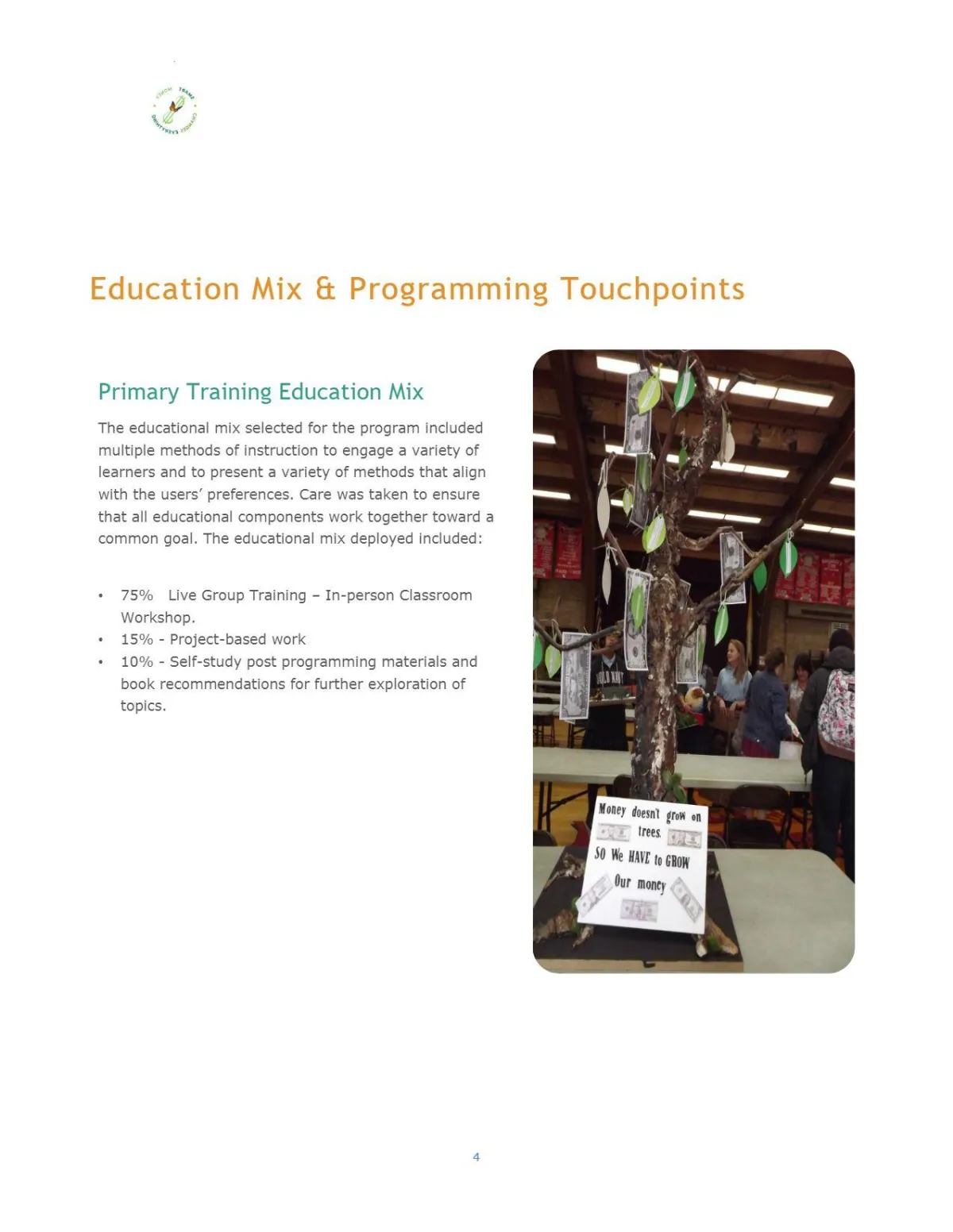
THE APPROACH: The program focused on motivating the students to begin their financial literacy journey early in life for the best long-term outcomes.
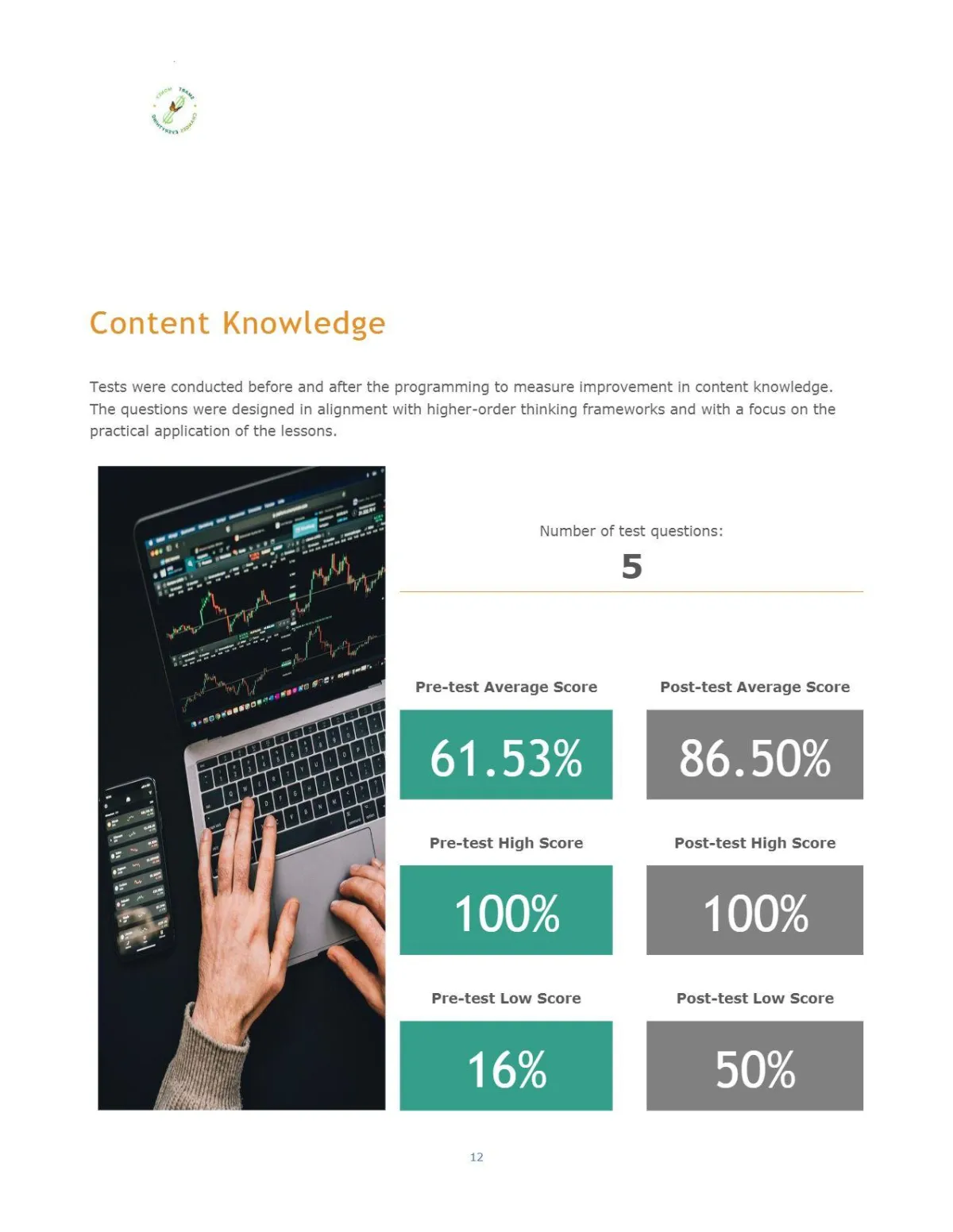
THE OUTCOME: The students were engaged with the compound interest lesson. They were able to visualize the possibility of turning small amounts of money saved into large amounts over time. Their content knowledge scores increased 41% from the pre-test to the post-test.
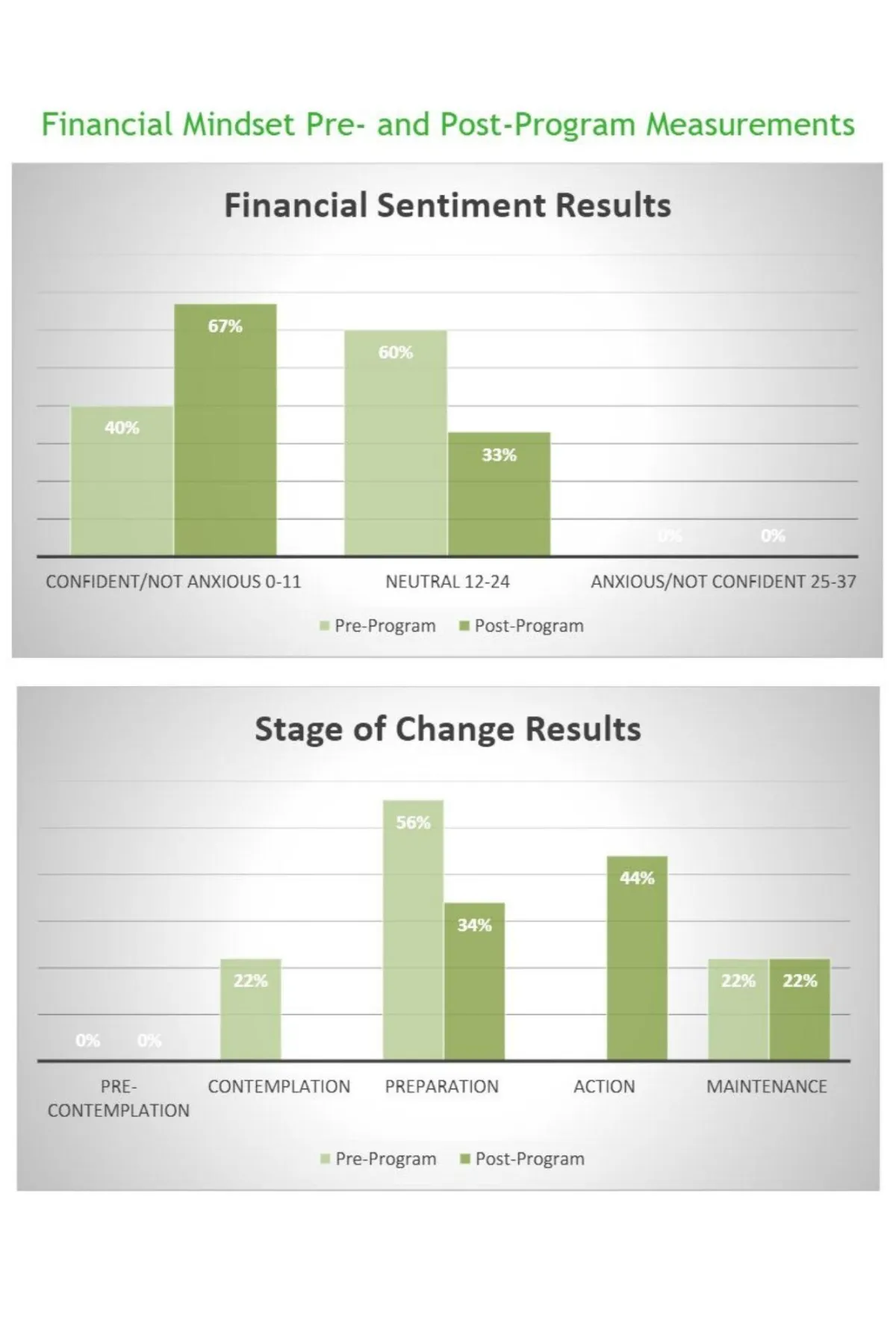
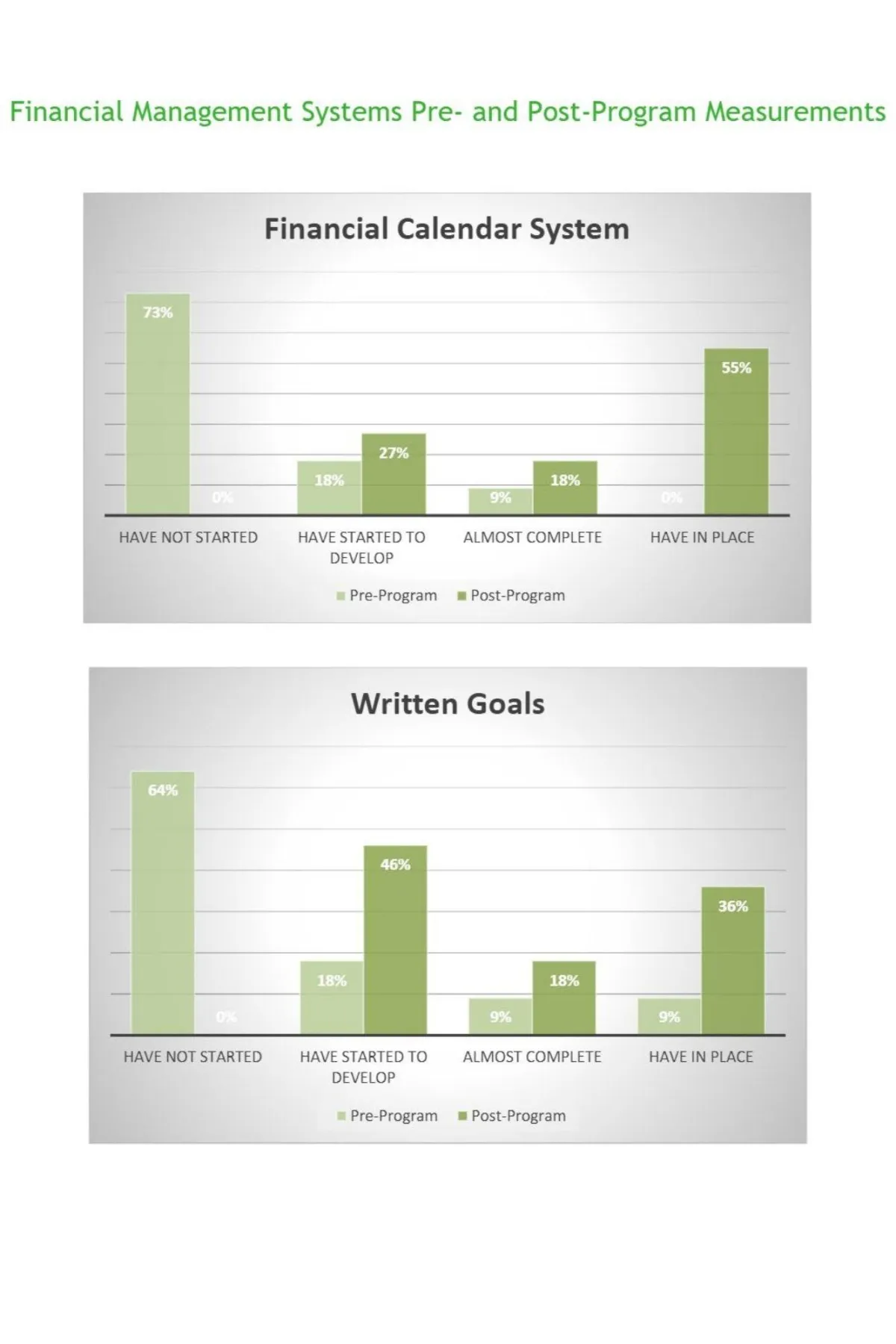
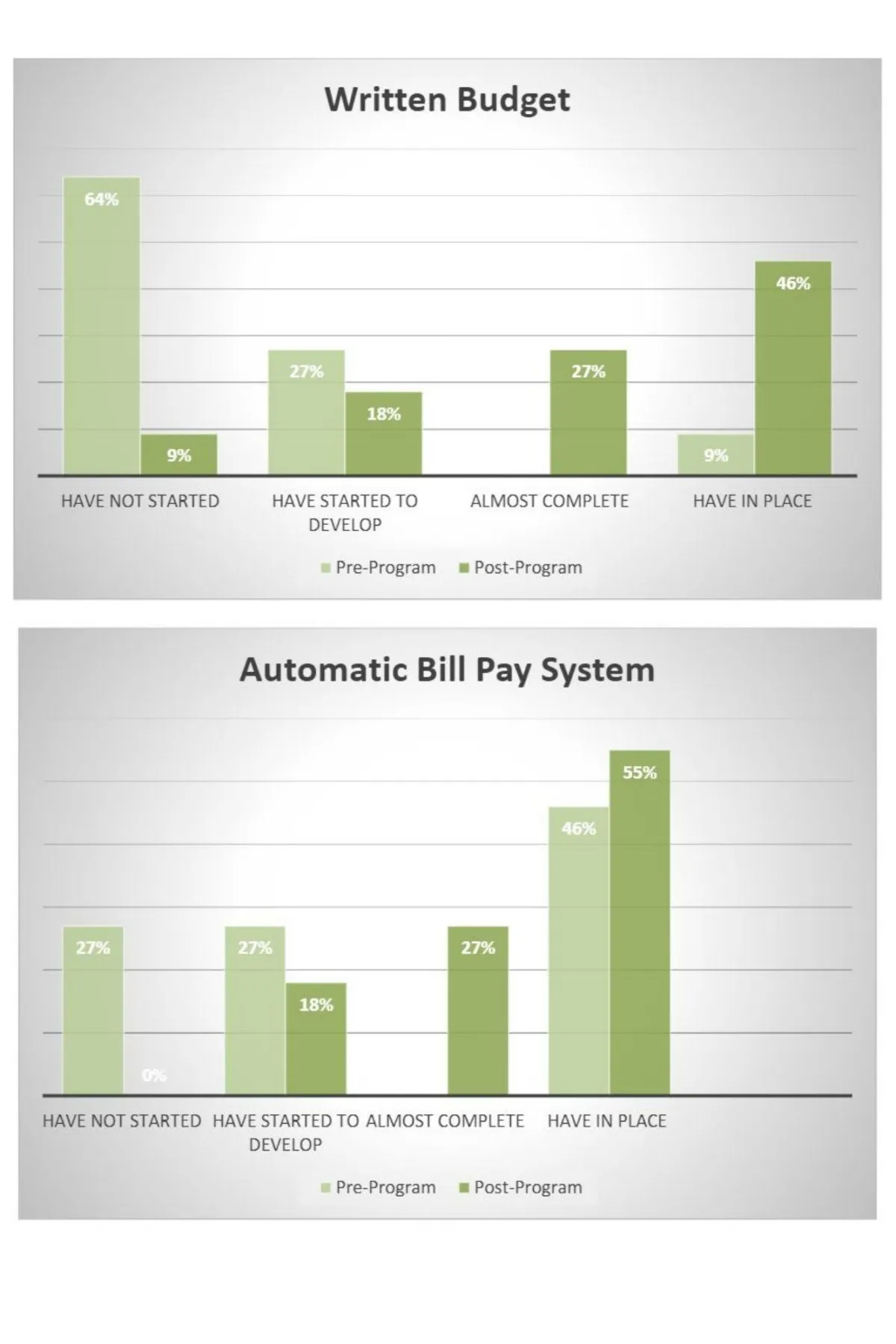
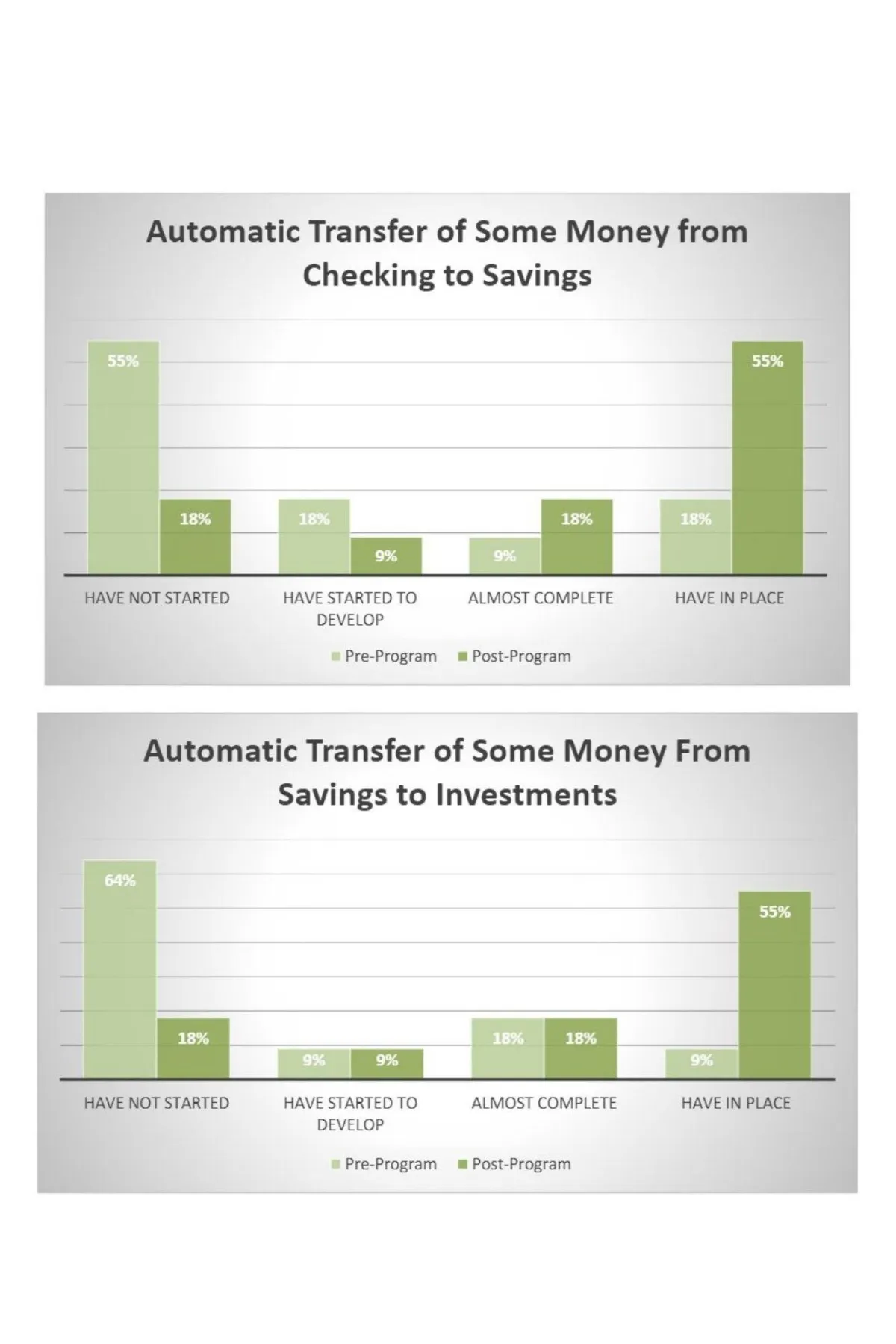

We Don't Just Deliver Financial Education.
We Measure Impact.
Participation alone doesn't tell you whether a financial education program worked.
That's why outcome measurement is built into our approach.
Depending on the program and its objectives, we evaluate changes in areas such as:
Knowledge — What do participants understand now that they didn't before?
Confidence — Do participants feel better equipped to make financial decisions?
Behavioral Intent — What actions are participants prepared to take?
Application — Can participants apply what they've learned to real financial decisions?
Engagement — Did the experience connect with the audience in a meaningful way?
The result is financial education that organizations can continuously improve—and outcomes they can demonstrate to stakeholders.
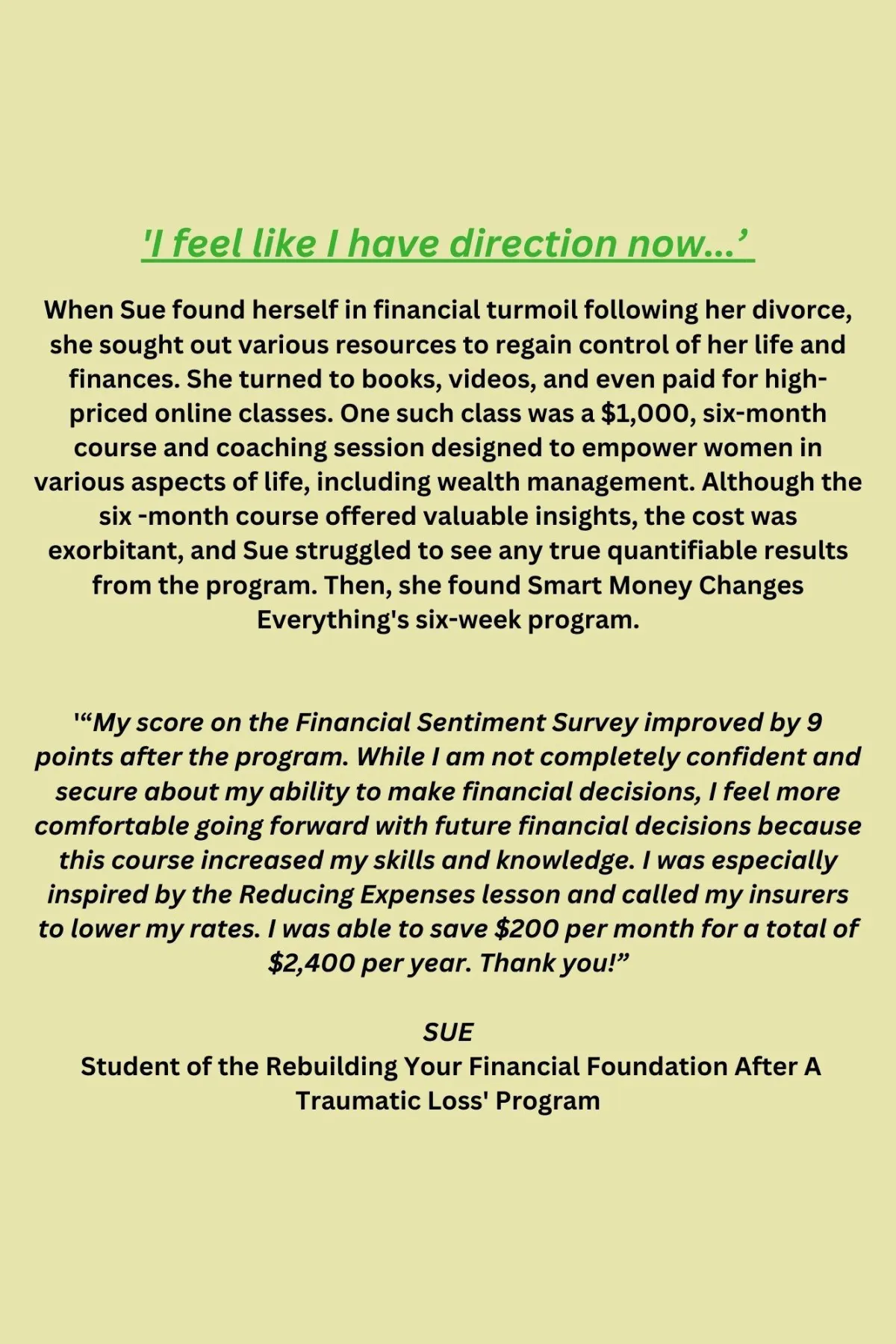
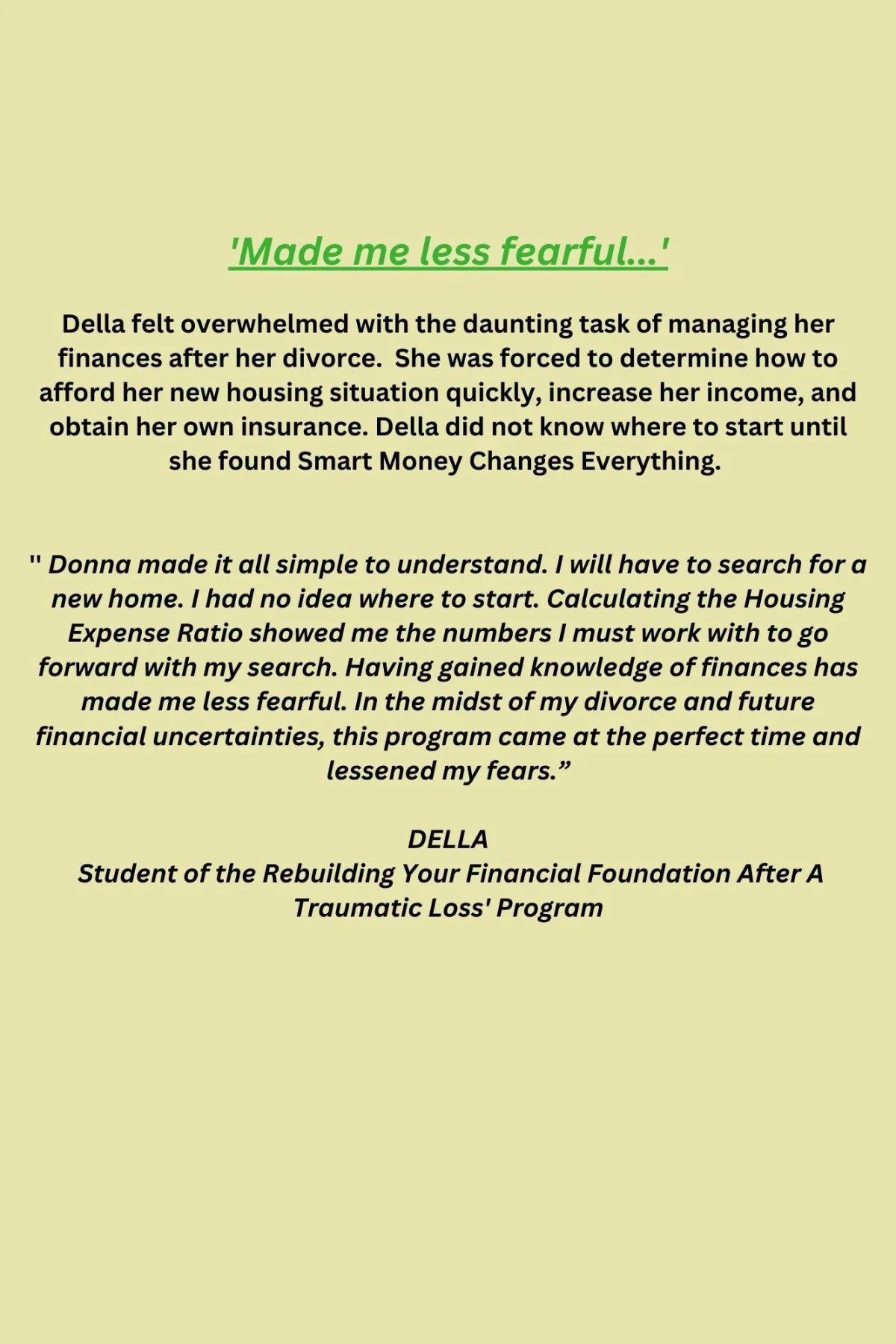
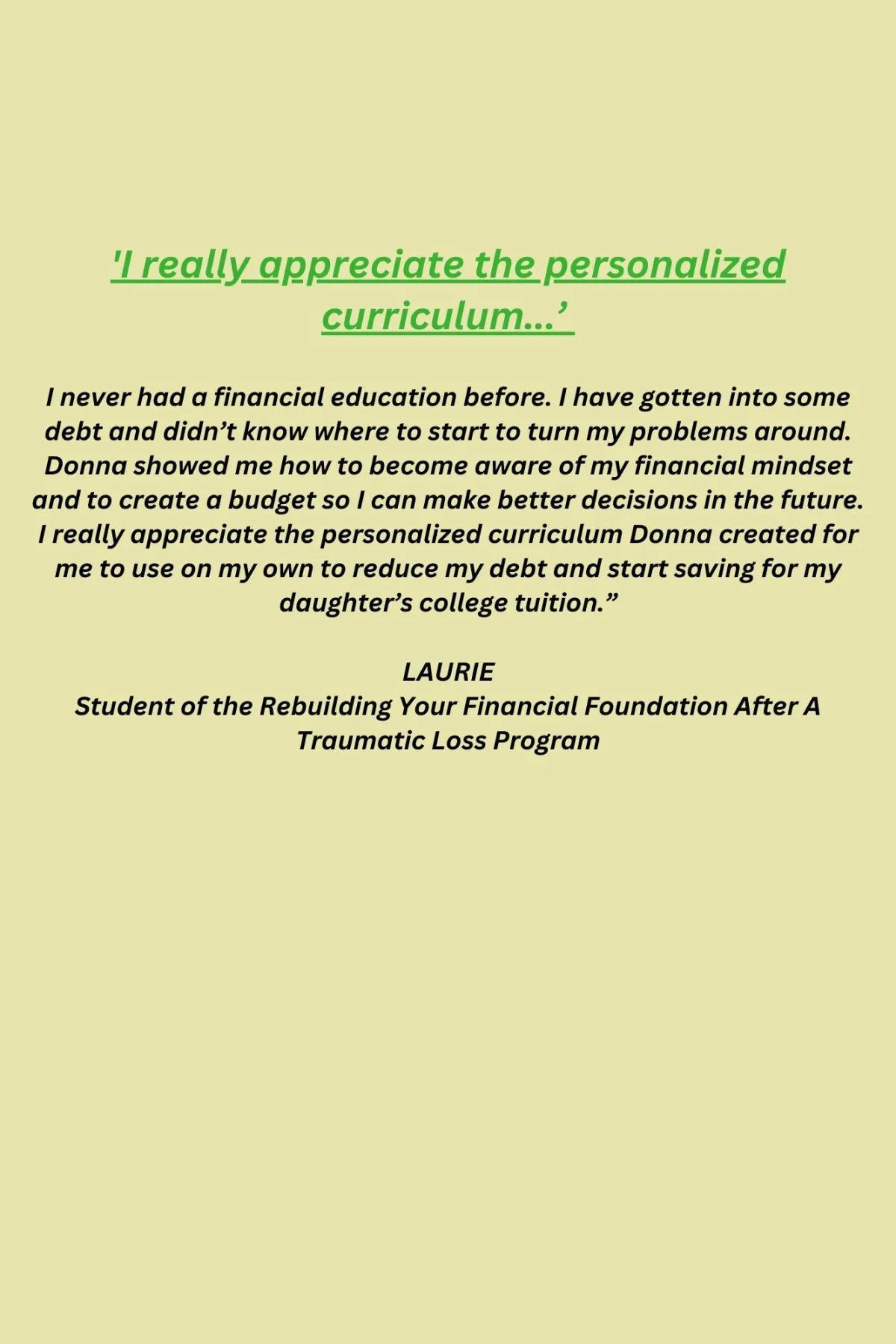
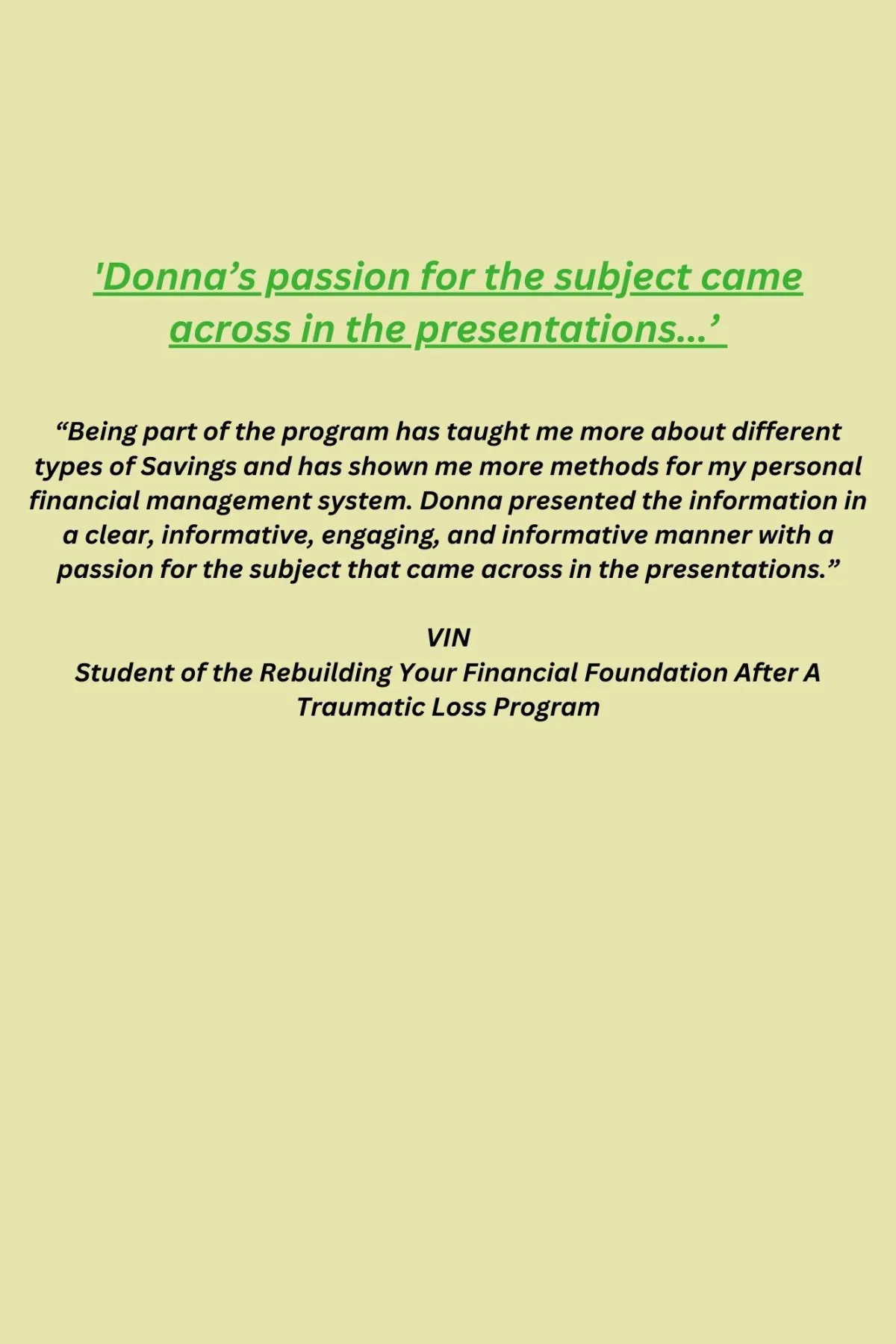
Participant Experiences
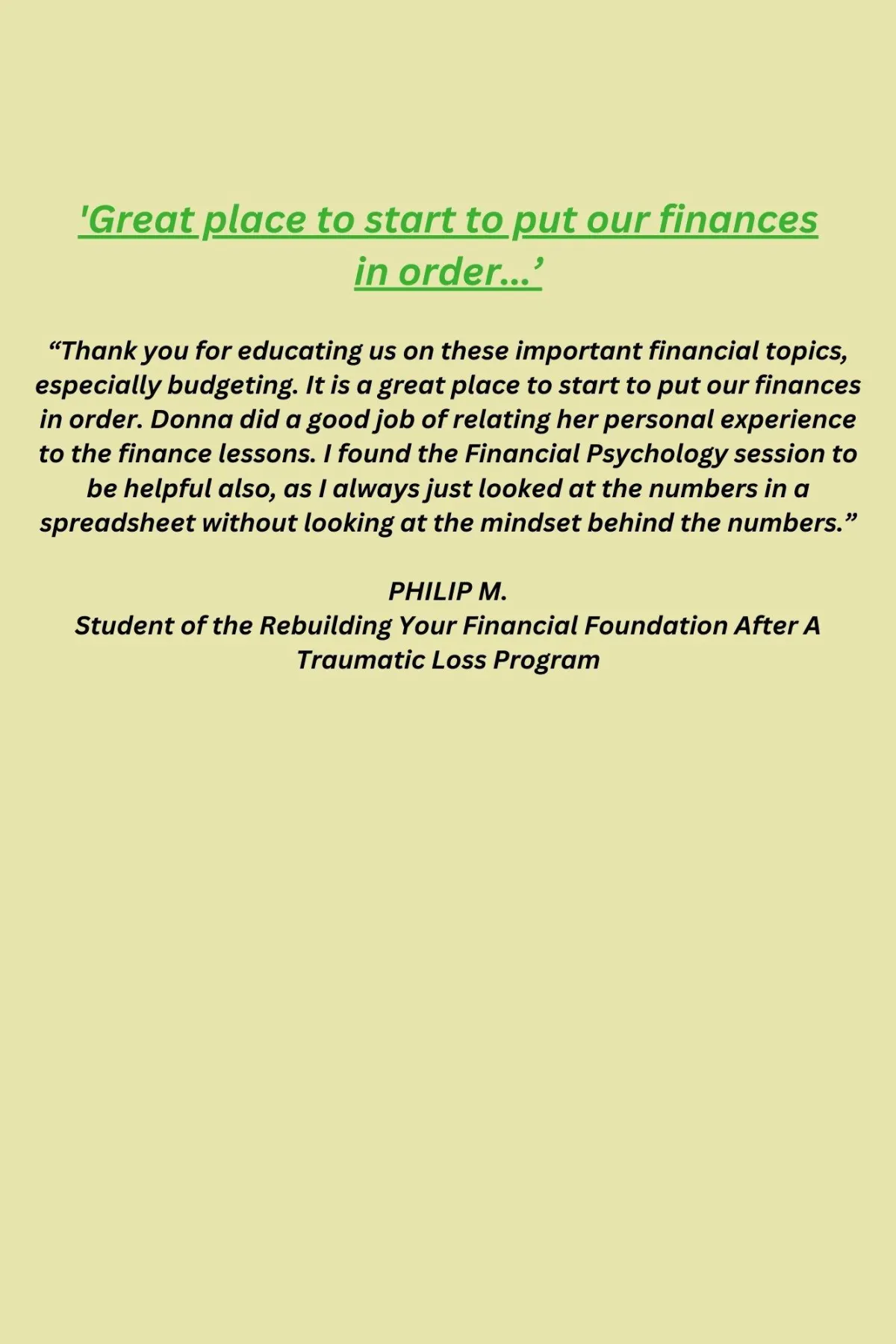
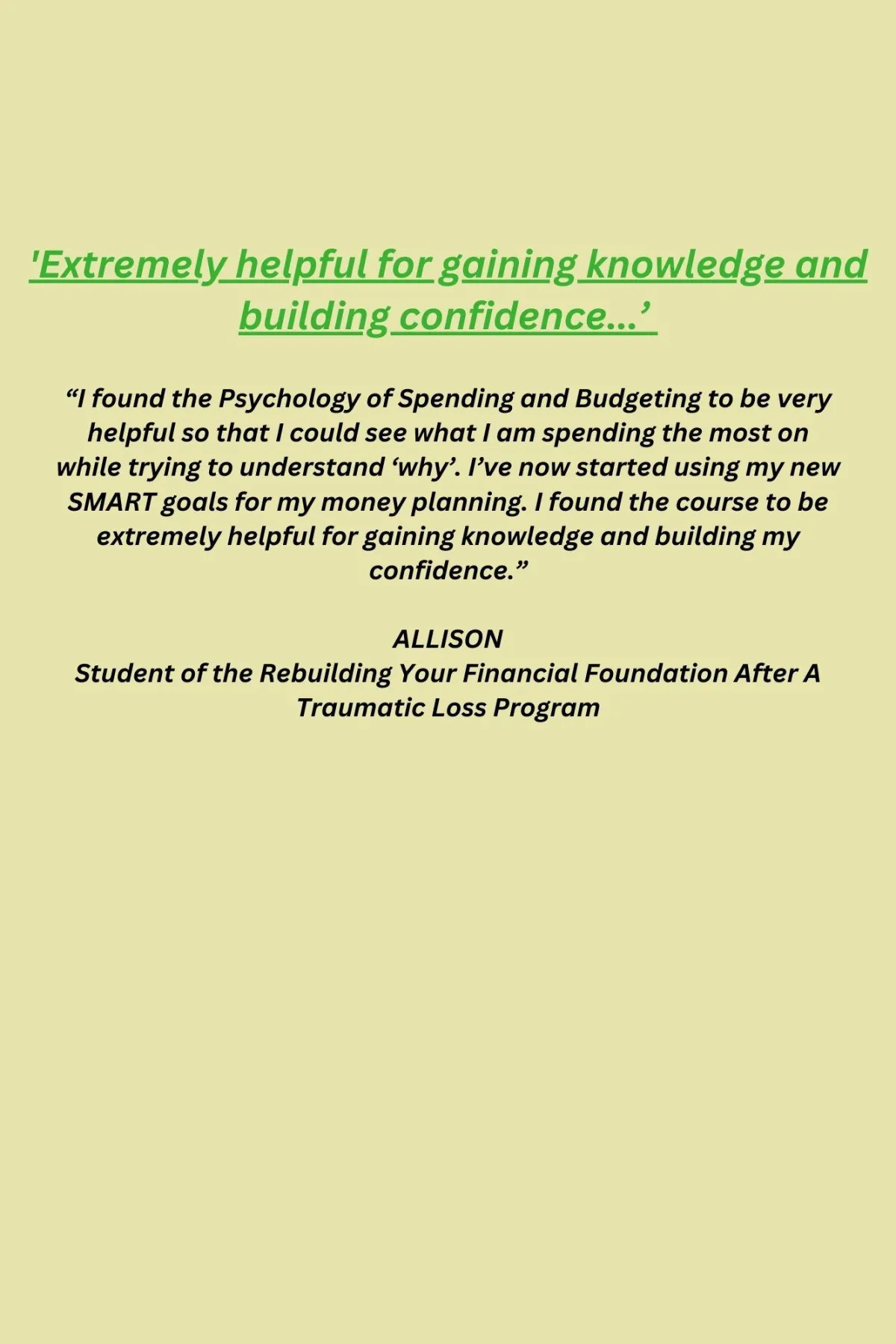
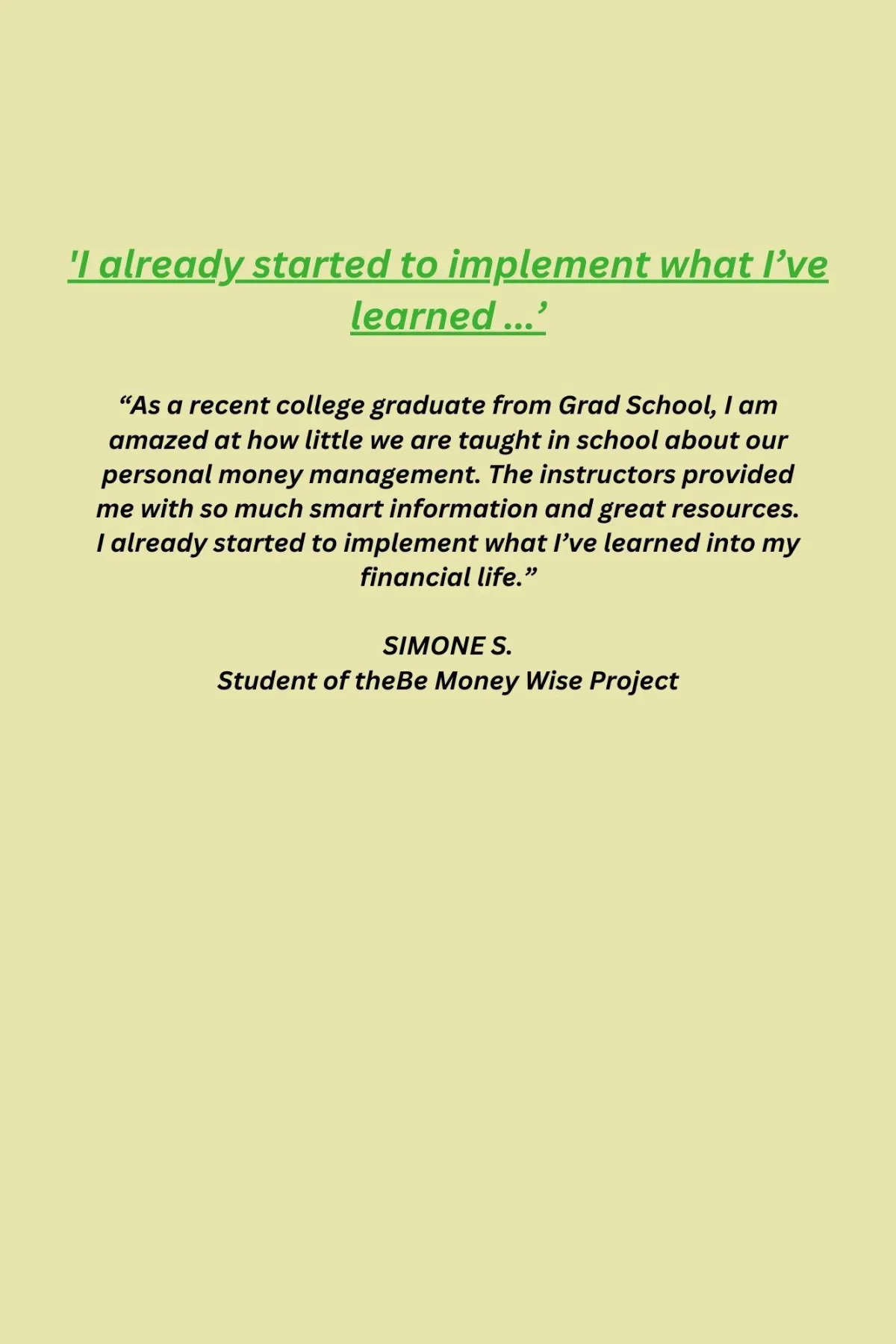
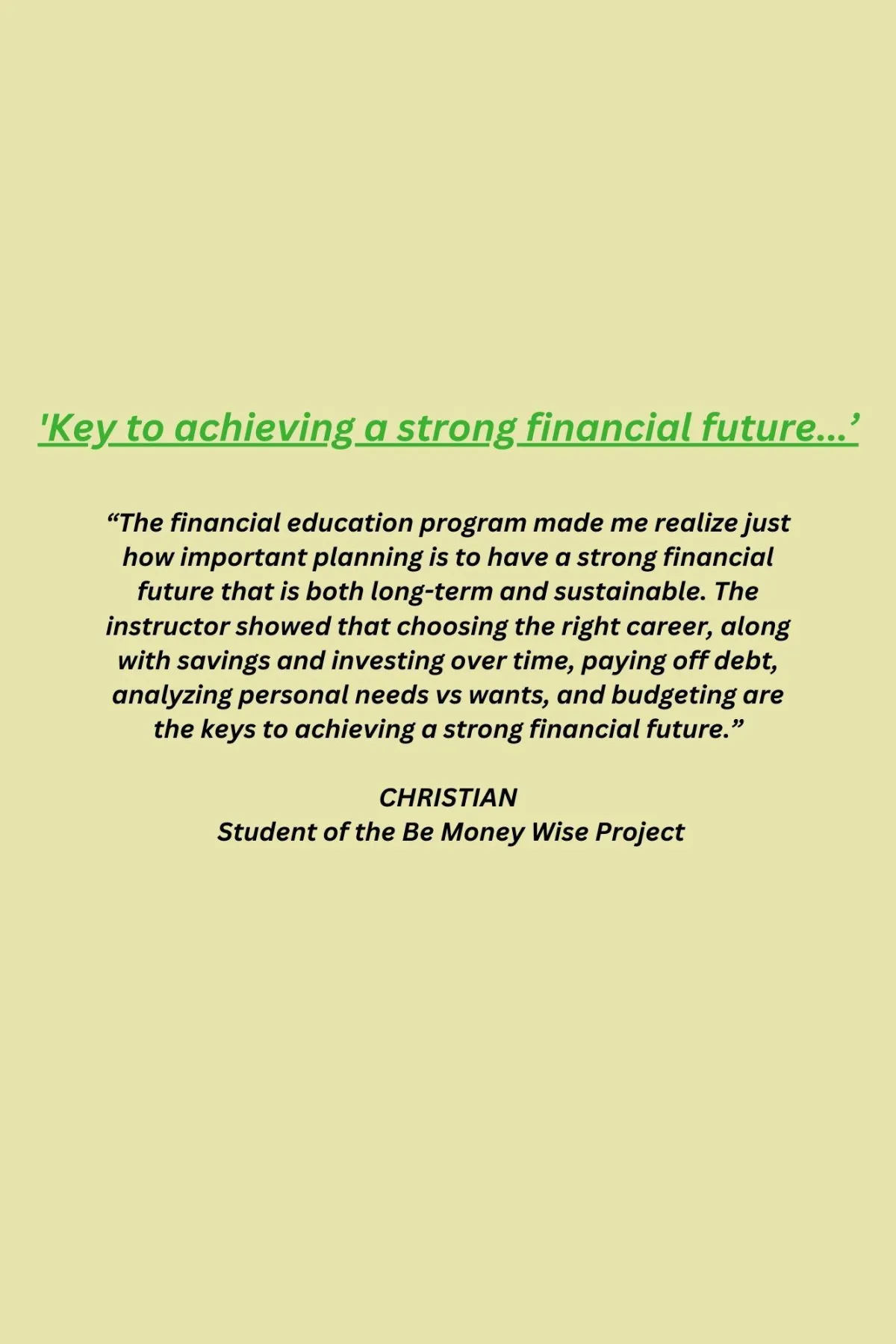
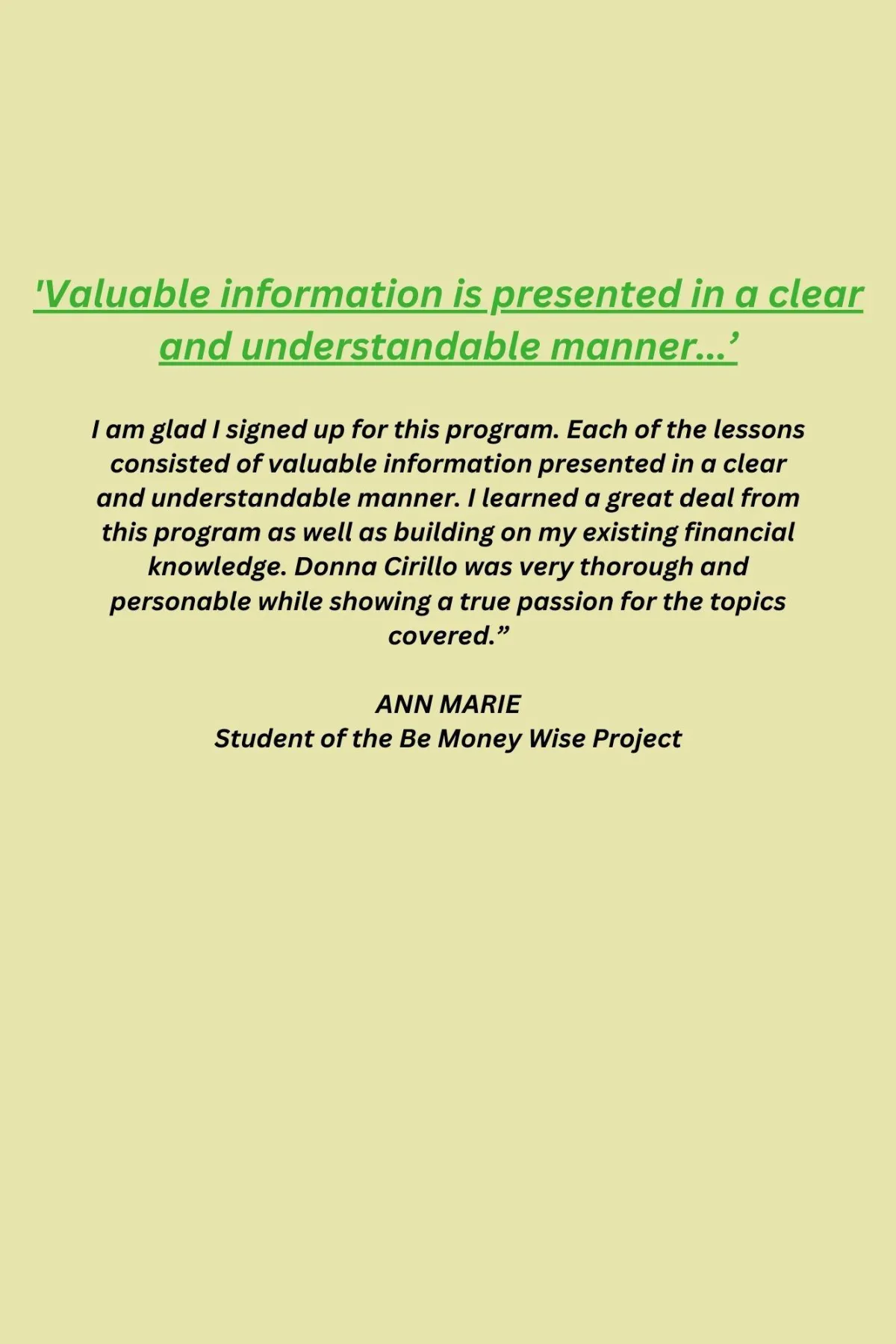
Hear directly from the learners who have experienced positive results from our approach to financial education.
What Could Better Financial Education Look Like for Your Audience

Whether you're building a new financial education initiative, strengthening an existing program, creating greater value for clients and families, or developing the skills of your financial educators, we can help you turn financial information into meaningful learning experiences—and meaningful results.
Follow Us
Follow Us
Smart Money Changes Everything
Queens, New York
© Copyright 2026.Smart Money Changes Everything. All rights reserved.