
What Difference Could Financial Education Make for the People Your Organization Serves?
“Financial illiteracy is not an issue unique to any one population. It affects everyone: men and women, young and old, across all racial and socioeconomic lines. No longer can we stand by and ignore this problem. The economic future of the United States depends on it.”
President’s Advisory Council on Financial Capability
Financial education benefits more than individual participants; it's a strategic advantage for organizations and the communities they serve.
Few opportunities hold the power to change the course of a life like financial education. Beyond budgets and bank accounts, becoming financially literate is a game-changer - it shapes decisions, builds confidence, and secures futures.
Aren't these the same outcomes you and your organization are striving to achieve?
From boosting employee confidence to helping communities thrive, effective programs create measurable, lasting impact. When organizations provide access to financial literacy, they close a critical gap that otherwise limits potential, reduces engagement, and costs both money and opportunity.
What would your life look like today if you'd been taught, early on, how to manage money wisely? Now imagine giving the community you serve that same gift.
The good news - it's never too late. No matter age or financial situation, you can start your community's journey toward financial confidence today.
What Difference Could Financial Education Make for the People Your Organization Serves?
The Organizational Case for Financial Education
What Would You Tell Your Younger Self About Money?
The Power of Financial Literacy
The Real Cost of Financial Illiteracy
The Ripple Effect: When You Provide Financial Education Programming, You Strengthen Your Community
The ROI of Financial Education
The Bottom Line: Your Organization Can Fill the Missing Piece in Financial Education

The Organizational Case for Financial Education
Imagine your staff, students, or community members navigating everyday financial challenges without guidance. The consequences aren't just personal - they ripple across your community. Here are a few examples from my experience showing how organizations can fill the missing piece in financial education:
Customer Service Teams: When a major client was dissatisfied with the service level of an inbound customer service department, a targeted financial education program was implemented to boost the representatives' knowledge, skills, and confidence to answer the toughest financial questions. The result: a measurable increase in Key Performance Indicators (KPIs) and strengthened client relationships. The representatives also experienced both professional and personal growth from their new personal finance skills.
Young Employees: Many interns and new hires regret never learning the basics of money management in school. Early financial literacy programs help them navigate personal finances, reduce stress, and focus on growth- benefiting both the employee and the organization.
Community Support Programs: Midlife women facing divorce or widowhood often struggle financially. Programs that teach budgeting, credit management, and future planning empower the participants, leading to better long-term outcomes.
Library Teen Programs: Libraries that recognize their unique role in bridging the gap between what teens need to know about money decisions they will be faced with soon, and the financial education they aren't receiving in schools, serve their communities well and create the greatest long- term impact.
What Would You Tell Your Younger Self About Money?
If you could turn back time and give just one piece of advice to your younger self, would it be about money? Many people would say YES! You'd probably tell yourself to manage your money wisely by:
"Start saving now."
"Avoiding debt."
"Investing early."
"Staying on budget."
These seemingly simple lessons - when practiced early and consistently over time - have the power to change lives. So why not give the people you serve the head start you never had?
The Power of Financial Literacy
Financial literacy isn’t just about understanding the numbers behind your money; it’s about empowerment. It's about making choices with confidence, understanding the consequences of your actions, and creating the life you want - on your terms.
The benefits of financial literacy are unique to each individual. The common denominator of a successful financial education outcome is the ability to choose your own path and not have that path chosen for you due to financial circumstances.
The Real Cost of Financial Illiteracy
Counting The High Cost of Financial Illiteracy
86% of Americans surveyed by the National Financial Educators Council (NFEC) believe that schools should teach financial education. But the truth is, it often isn't taught - at school or at home - and the results are devastating, as seen in these grim statistics in the box below.

Without a strong financial foundation, it's easy to fall into debt, live paycheck to paycheck, and miss out on growth opportunities. And that cycle often repeats itself across generations and communities.
The Ripple Effect: When You Provide Financial Education Programming, You Strengthen Your Community
That's where you can make a difference.
Financial education is not a one-size-fits-all initiative. Its impact multiplies when it's structured, actionable, and relevant to the audience. Effective financial education programming helps participants learn:
How to avoid costly mistakes
How to set financial goals
How to build wealth over time
How to stay calm and confident during financial storms
You're also giving them the tools to choose their own path - not have it chosen for them because of financial limitations.
Organizations that provide these programs see benefits such as:
Increased employee confidence and productivity
Reduced financial stress and related absenteeism
Improved client or participant satisfaction
Stronger community impact and long-term outcomes
The ripple effect is clear: when employees, students, or community members learn to make informed financial decisions, not only does the sponsoring organization benefit, but so do families and future generations.
The ROI of Financial Education
Organizations that invest in financial literacy don’t just support individuals—they strengthen their entire ecosystem. Confident employees perform better, students thrive, and community members gain independence and resilience.
“The best time to start was 20 years ago. The second best time is NOW.”
— Chinese Proverb
By implementing programs now, organizations unlock long-term benefits, including reduced turnover, stronger engagement, and empowered communities.

The Bottom Line: Your Organization Can Fill the Missing Piece in Financial Education
Financial illiteracy is a universal problem with huge implications for both society in general and each individual personally. More than almost anything else, financial matters hit home.
Financial skills are life skills that, unfortunately, are rarely taught in schools. Studies have shown time and time again that the earlier in life a person is introduced to financial concepts and is able to put them into an actionable plan, the better their future outcome will be.
Financial education programming is a strategic opportunity for your organization, whether you are a corporation, nonprofit, library, school, or other community partner. Organizations that prioritize it:
Improve outcomes for employees, students, clients, or community members
Create a culture of growth, confidence, and empowerment
Provide tools that help participants take control of their financial futures
Building Programs That Work
The challenge is real; financial education based on information alone can be overwhelming, disorganized, and full of jargon. Without the right guidance and instruction, participants give up, leaving organizations' efforts ineffective. That's why structured programming with qualified instructors matters.
Smart Money Changes Everything helps organizations develop accessible, step-by-step financial education initiatives that:
Build confidence and competence in money management
Teach practical skills such as budgeting and savings
Incorporate behavior change strategies and positive habit formation
Are customized for your unique audience
Define outcomes and measure results
From libraries to corporations, these programs create measurable change that is desperately needed to make our communities stronger. Financial education programming is a win-win as it transforms lives while boosting organizational impact.
FREE RESOURCES:
1) FOR ORGANIZATIONS: See Our Transformation Roadmap Framework in Action
Organizations often ask what structured financial literacy programming looks like in practice. To support implementation, I’ve created a free case study video.
This free case study video walks you through a real-world framework used with a community organization.
Discover:
How our proven 3-step framework creates lasting results
Real participant turning points as they moved from fear to confidence and action
The measurable impact organizations can achieve with the right financial literacy programming
How we can customize the program and outcomes to fit your community's unique needs
The data-driven measurements of your program impact that you can share with your stakeholders to scale your program

1) FOR LIBRARIES: The Librarian's Toolkit: Turning The Page to Teen Financial Empowerment
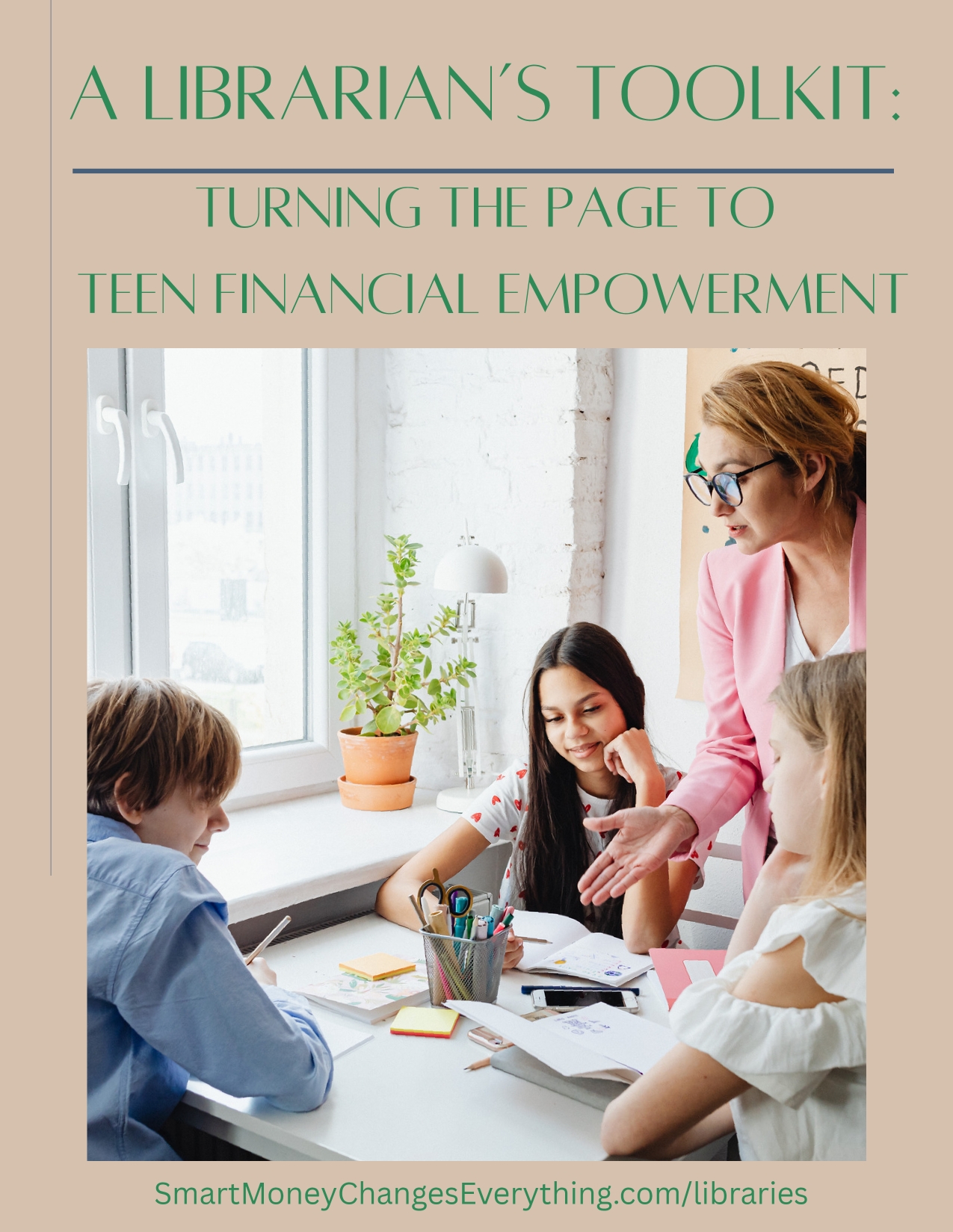
Teens will face significant financial choices sooner than they realize and often without the proper education or guidance.
Libraries are uniquely positioned to bridge that gap. Librarians have a powerful role in guiding young people toward life long learning.
To support implementation of teen financial literacy programs in libraries, I’ve created a free Librarian's Toolkit.
Discover in the toolkit:
Why financial literacy matters for teens, the important role of librarians, and the benefits for your library in offering this programming to your teens
Teen engagement tools to boost program turnout
A Teen Personal Finance Reading Challenge and Tracker
Request Your Free Librarian's Toolkit here or from the QR code below

Smart Money Changes Everything is a financial education blog and website. The information presented in this post is solely for your general financial education and is not to be considered financial advice. Always check with your trusted financial professionals who will consider your unique situation and goals to develop your personalized comprehensive plan.

