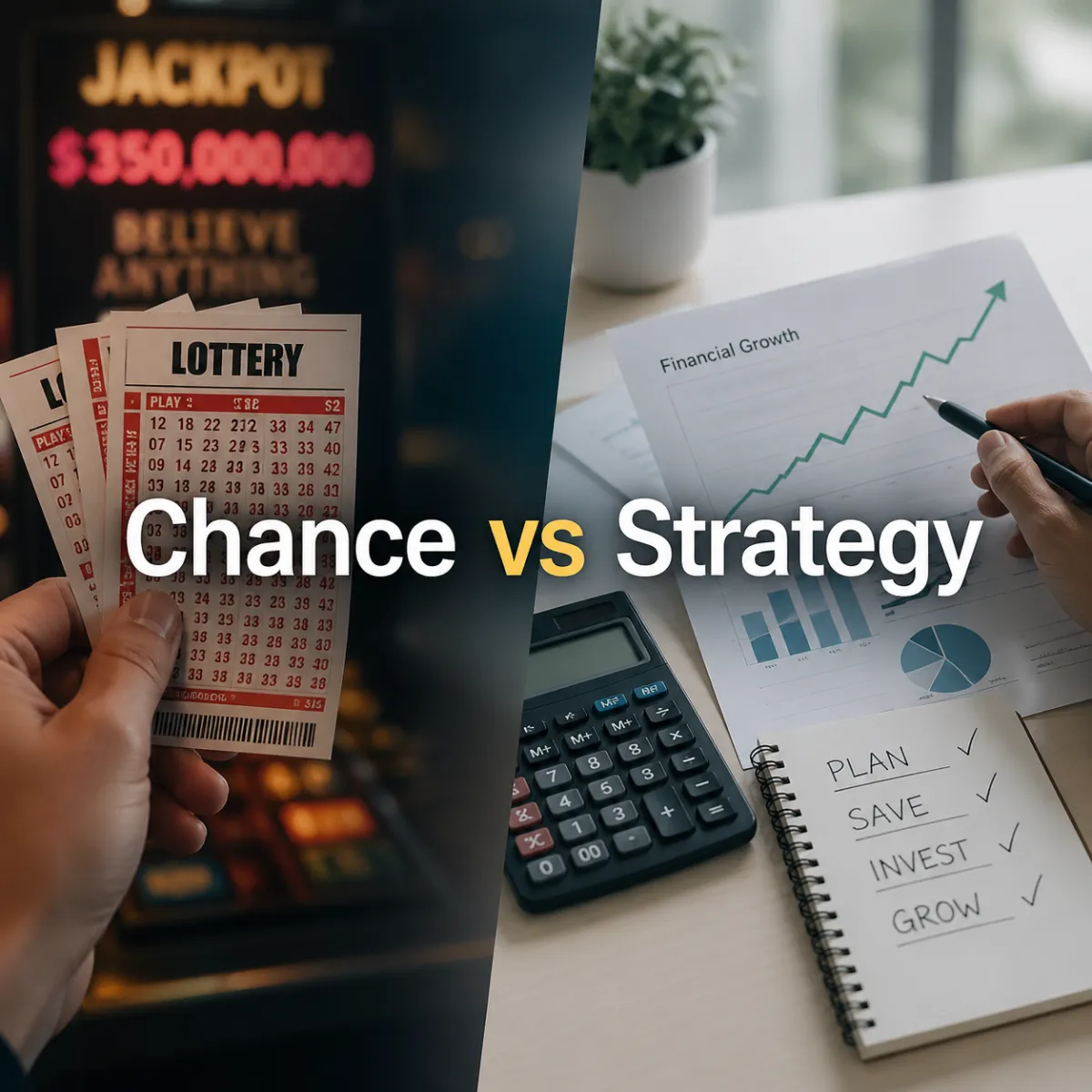
Skip The Lottery: Build Wealth For Lasting Financial Independence
Financial Education In Action for Lasting Financial Independence
Every year, millions of Americans spend money chasing a life-changing lottery win. This isn't just a harmless habit. It's a signal of something deeper; a gap in financial knowledge, decision-making, and long-term planning.
National Lottery Day (July 17) offers more than a cultural moment. It's a strategic opportunity for organizations to address that gap and shift individuals from chance-based thinking to strategy-based financial behavior.
Skip The Lottery: Build The Wealth For Lasting Financial Independence
Financial Education In Action for Lasting Financial Independence
The Lottery Isn't Just Entertainment, It's a Financial Delusion
Do Marketing Campaigns ‘Ad’ False Hope?
What Are Other Problems with The Lottery?
The Real Risk: Misaligned Financial Behavior
The Most Overlooked Lesson: Opportunity Cost
From Lottery Dreams to Financial Strategy
The Lottery Isn't Just Entertainment, It's a Financial Delusion
The allure is easy to understand.
A single ticket, a massive payout, and an instant transformation.
For many, it represents hope of a way out of financial stress and uncertainty.
But beneath that hope is a critical disconnect:
The odds of winning a major jackpot are approximately 1 in 300 million
Many participants overestimate their chances
Lower-income households spend a disproportionate share of their income on tickets.

Do Marketing Campaigns ‘Ad’ False Hope?
The very low odds of winning are too abstract for most people to understand. They figure someone has to win it, so why not them? After all, as the ads say, “You have to be in it to win it” and “Hey, you never know.”
The promotion of the lottery in advertising so effectively plays on the most vulnerable and the dreams of becoming instantaneously rich. In addition to the more memorable ad campaigns, Mega Millions went as far as putting up a banner on their website that read “Save For Retirement”. After being called out for obviously deceptive advertising, they took it down.

What Are Other Problems with The Lottery?
The marketers of the lottery would have you believe you will live your best life while contributing to great societal needs. But playing the lottery regularly is not always a harmless form of entertainment. False expectations and serious problems can develop, such as:
Gambling addiction: Playing the lottery, like any form of gambling, can be addictive for some people. When someone finds themselves spending more money on tickets than they can afford, and ignores warnings from friends and family, they may be falling into a gambling addiction.
Financial difficulties: Some people may also spend more money on tickets than they can afford, which can lead to financial difficulties. Plus, there is always an opportunity cost involved in spending discretionary money.
Fraud and scams: Many fraudulent schemes and scams are associated with Lotto, such as fake lottery tickets or phone calls claiming that the recipient has won a prize.

The Real Risk: Misaligned Financial Behavior
Playing the lottery over a long period of time in hopes of finding your fortune is almost certain to leave you with nothing but empty pockets.
Lottery participation highlights a broader issue: decisions driven by hope rather than informed strategy.
This can lead to:
Ongoing financial strain
Missed opportunities to build savings
Behavioral patterns that are difficult to break
Even more important, winning doesn't necessarily solve the problem. Research shows that many individuals who receive sudden wealth struggle to sustain it over time. Without strong financial habits, even large sums can disappear quickly.
Lottery Winner Stories
Winning a large sum of money can create its own set of problems.
The unexpected and instantaneous nature of winning the lottery can cause gross mismanagement of finances and pressure from family and friends.
Here are some lottery winners who wish they had never won the lottery in the first place:
Andrew “Jack” Whittaker Jr.: In 2002, Andrew “Jack” Whittaker Jr. of West Virginia won a $314.9 million Powerball jackpot, the largest jackpot ever won by a single ticket at the time. Whittaker used his millions in a positive way by donating them to charities. However, he also experienced several tragedies after winning the lottery, including thefts, lawsuits, and the deaths of several family members. He lost a large portion of his winnings and has said that winning the lottery ruined his life.
Denise Rossi: In 1997, Denise Rossi of California was in the middle of a divorce when she won $1.3 million in the lottery but decided to keep it a secret from her husband. During the court proceedings, she did not disclose her winnings as an asset. After her ex-husband found out about the lottery winnings, a court invalidated the divorce settlement and awarded him the entire amount.
Abraham Shakespeare: In 2006, Abraham Shakespeare of Florida won a $31 million jackpot. However, he was later approached by a woman who convinced him to give her most of his remaining money, and he was eventually found dead, buried under a concrete slab in the backyard of the woman’s boyfriend’s house.
David Lee Edwards: David Lee Edwards won a $27 million Powerball jackpot in 2001, but ended up homeless before he died in 2013 by spending his money on drugs and a lavish lifestyle.
The Most Overlooked Lesson: Opportunity Cost
Every dollar spent on the lottery is a dollar not:
Saved
Invested
Compounded over time
This is where financial education becomes powerful.
Because while the lottery promises instant wealth,
consistent financial behavior is what actually builds it.
Even modest, consistent contributions—redirected over time—can lead to meaningful long-term growth.

What Organizations Can Do
This is a teachable moment, not only on National Lottery Day but all year round.
Organizations can help individuals:
Understand the long-term impact of small financial decisions
Visualize the difference between spending and investing
Build habits that support financial independence
From Lottery Dreams to Financial Strategy
National Lottery Day creates a natural entry point for engagement.
Instead of asking:
“What if you win?”
Organizations can help individuals ask:
“What if I used this money differently over time?”
Practical Applications for Organizations
Host workshops on wealth-building vs. chance-based decision-making
Integrate financial literacy into workforce or community programs
Facilitate discussions on risk, probability, and long-term planning
Launch savings or investing challenges tied to real-life behaviors
Why This Matters Now
Financial independence isn’t achieved through a single event; it’s built through:
Consistent habits
Informed decisions
Access to quality financial education
Organizations that prioritize financial literacy are better positioned to:
Improve participant outcomes
Strengthen engagement and retention
Demonstrate measurable impact to stakeholders and funders
The Bottom Line: A Better Bet Than The Lottery
The lottery sells a dream.
But organizations can deliver something far more powerful:
the tools, knowledge, and behaviors that turn financial independence into a reality.
With financial education, the goal isn’t to discourage hope.
It’s to redirect it toward strategies that actually work.
Because the most reliable way to build “lottery-level” wealth…
isn’t by playing the lottery.
It’s by skipping it altogether.
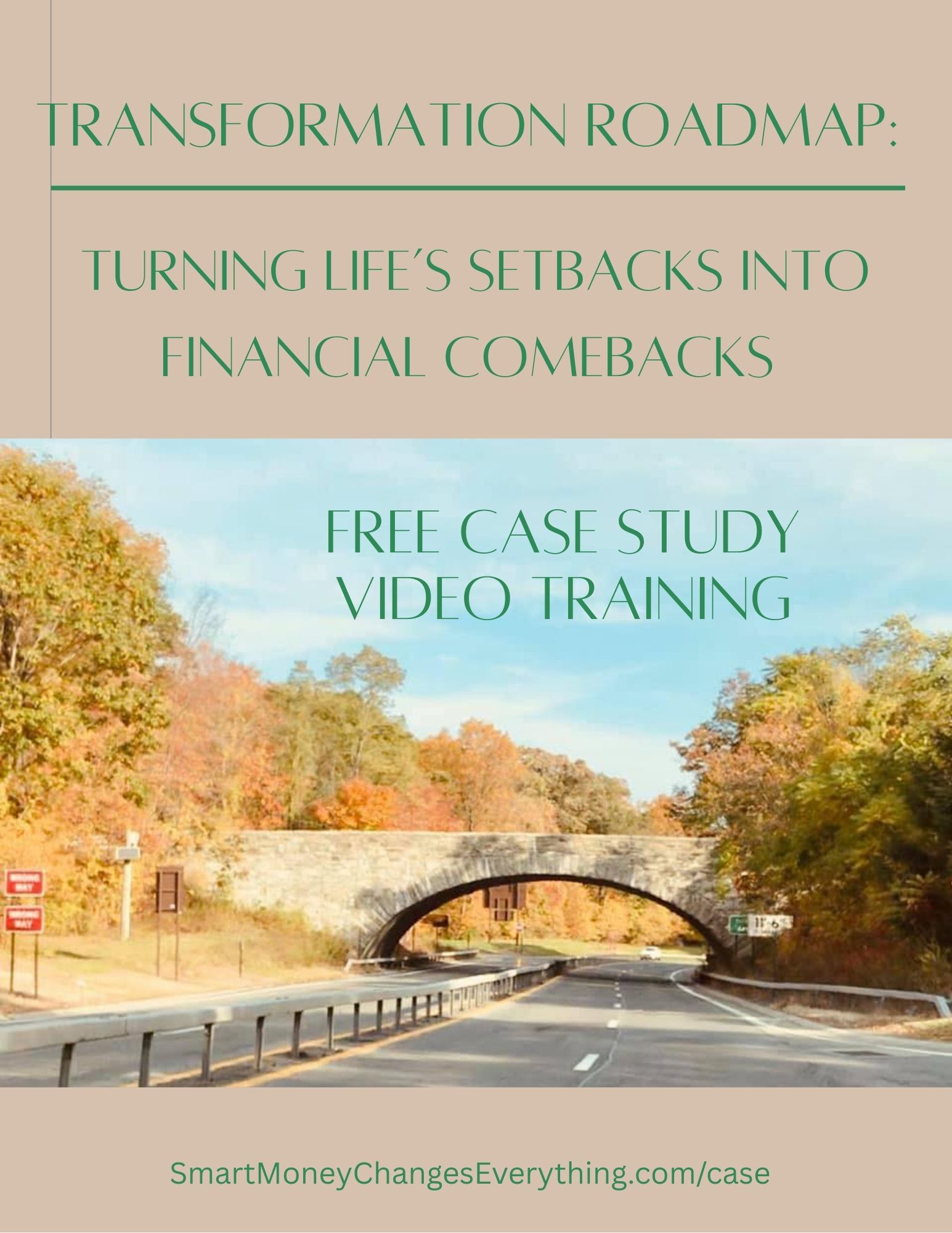
Request our free case study video training based on the Rebuilding Your Financial Foundations After a Traumatic Loss program.
FREE RESOURCES:
1) FOR ORGANIZATIONS: See Our Transformation Roadmap Framework in Action
Organizations often ask what structured financial literacy programming looks like in practice. To support implementation, I’ve created a free case study video.
This free case study video walks you through a real-world framework used with a community organization.
Discover:
How our proven 3-step framework creates lasting results
Real participant turning points as they moved from fear to confidence and action
The measurable impact organizations can achieve with the right financial literacy programming
How we can customize the program and outcomes to fit your community's unique needs
The data-driven measurements of your program impact that you can share with your stakeholders to scale your program.

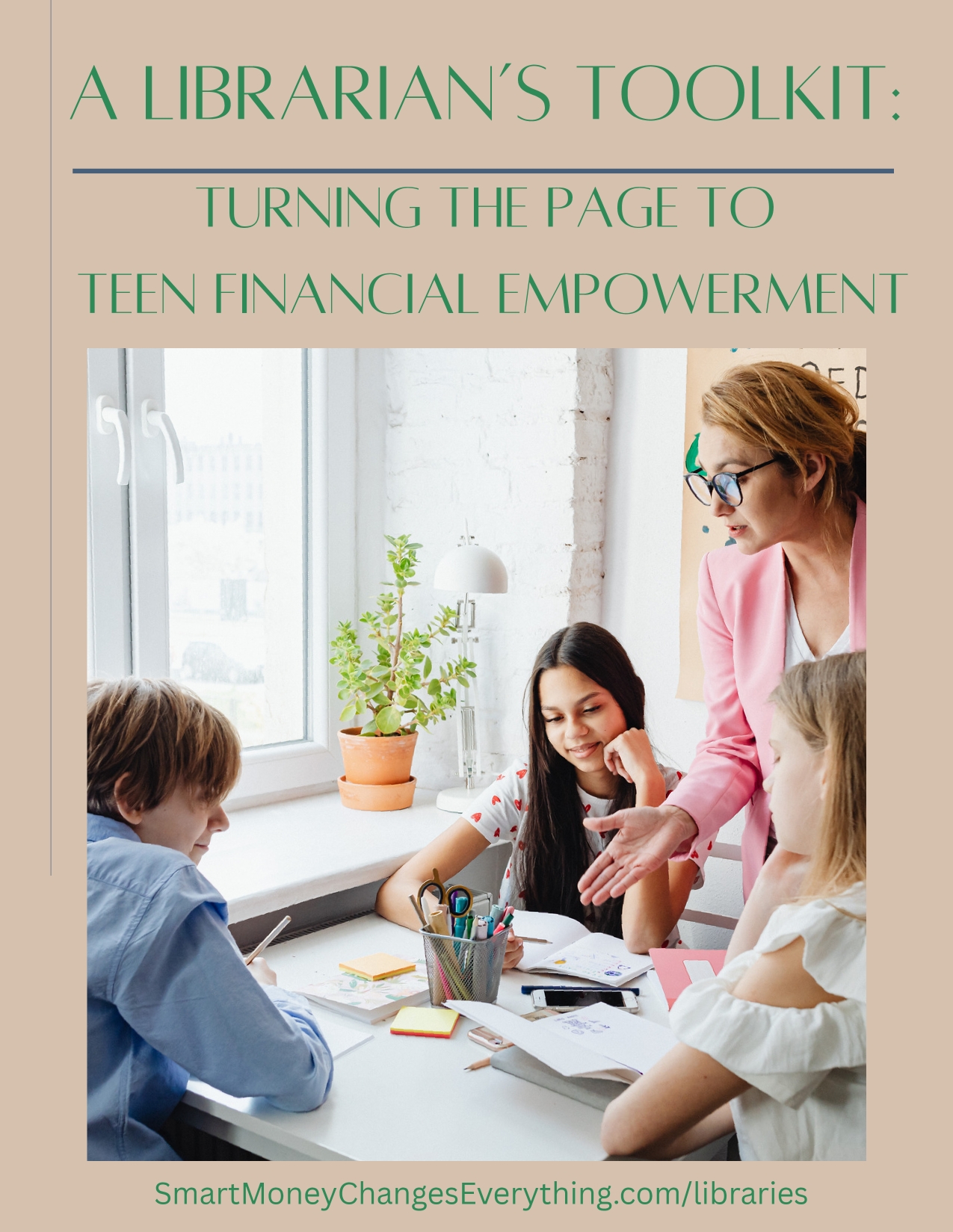
2) FOR LIBRARIES: The Librarian's Toolkit: Turning The Page to Teen Financial Empowerment
Teens will face significant financial choices sooner than they realize and often without the proper education or guidance.
Libraries are uniquely positioned to bridge that gap. Librarians have a powerful role in guiding young people toward life long learning.
Discover in the toolkit:
Why financial literacy matters for teens, the important role of librarians, and the benefits for your library in offering this programming to your teens
Teen engagement tools to boost program turnout
A Teen Personal Finance Reading Challenge and Tracker
Request Your Free Librarian's Toolkit here or from the QR code below

Smart Money Changes Everything is strictly a financial education website. The information presented in this post is solely for your general financial education and is not to be considered financial advice. Always check with your trusted financial professional team who will consider your unique situation and goals to develop your own personalized, comprehensive financial plan.

