
The Missing Piece: Why Financial Literacy Programs Fail
Organizations across the country invest significant time and resources into financial education programs. Schools introduce financial literacy initiatives, employers offer financial wellness workshops, and nonprofits host community-based education events, all driven by a shared recognition that financial literacy is a critical life skill.
These efforts are well-intentioned and necessary. Yet, despite this investment, many programs struggle to produce meaningful, lasting change in participants' financial lives.
Participants attend, take notes, and leave feeling motivated. But weeks later, very little has changed. Why?
The issue is rarely the content itself. The problem lies in how these programs are designed. Most financial education initiatives focus on delivering information rather than creating behavior change. The gap between knowledge and action is where effectiveness breaks down.
Intentional program design is the missing piece.
The Missing Piece: Why Financial Literacy Programs Fail
Good Intentions Are Not Enough
The Gap Between Information and Behavior
When Information Doesn't Lead to Action
The Real Goal of Financial Education
The Missing Piece: Transformational Design
What Transformation Looks Like
The Bottom Line: A Better Way Forward
1) FOR ORGANIZATIONS: See Our Transformation Roadmap Framework in Action
1) FOR LIBRARIES: The Librarian's Toolkit: Turning The Page to Teen Financial Empowerment
Good Intentions Are Not Enough
In working with banks, libraries, schools, churches, and community organizations,one thing is clear: there is no shortage of commitment to helping people improve their financial lives.
Across sectors, organizations are:
Expanding community outreach programs
Hosting workshops and presentations
Integrating financial literacy into curriculum
Partnering to increase access to education
But intention alone does not guarantee impact.
The Gap Between Information and Behavior
Traditional financial education is built on a simple assumption: if people learn more about money, they will make better financial decisions.
So programs are designed to focus on topics like: budgeting, saving, credit, debt management, and investing - often all within one session.
While these topics are essential, knowledge alone rarely leads to change.
Financial behavior is shaped by far more than information. It is influenced by:
Habits
Emotions
Stress
Family influences
Confidence and sentiment
Decision-making ability
Without addressing these factors, even the best content falls short.
When Information Doesn't Lead to Action
A common pattern emerges in many programs: participants leave saying, "I learned a lot", or "That was helpful."
But learning doesn't automatically translate into doing. Most people already know they should save more, spend less, and avoid unnecessary debt, just as they know they should eat well and exercise. The challenge isn't awareness, it's execution.
Financial decisions are often made under pressure, influenced by emotion, and shaped by personal circumstances. Without a system to apply what they've learned, participants revert to existing habits.
This is the true gap: not knowledge, but application.

The Real Goal of Financial Education
If the goal of financial education is simply to deliver information, the majority of programs succeed. But if the goal is to improve financial outcomes, the standard must be higher.
Financial decisions don't happen in a classroom; they happen in real life:
• When choosing whether to take on debt
• When balancing competing expenses
• When responding to financial stressIn those moments, information alone isn't enough. What matters is how people think, evaluate options, and make decisions. Effective financial education must be designed to support those moments.
That's why effective financial education must go beyond information. Transformation through behavior change must be designed into the program.
The goal is to help participants:
• Move from awareness to action
• Evaluate real-life decisions
• Build confidence in their choicesThe Missing Piece: Transformational Design
Transformational financial education goes beyond teaching concepts. It equips participants to apply what they learn to their own lives.
This requires programs to intentionally include:
• Mindset awareness
• Behavior-focused strategies
• Decision-making frameworksRather than overwhelming participants with information, effective programs simplify and structure decision-making.
They help participants answer: "What should I do next, in my specific situation?" That's where real change begins.
What Transformation Looks Like
In one program I led for individuals navigating post-divorce financial transactions, participants inititally felt overwhelmed and uncertain. Through guided application, they began evaluating their own financial decisions in real time.
One participant identified opportunities to significantly reduce expenses and regain control. Another realized that a housing decision she believed was necessary was actually financially unsustainable.
These weren't just learning moments; they were decision-making breakthroughs. That is the difference between information and transformation.
The Structural Problem
Many programs fall short not because of poor intent, but because of structural limitations.
Common challenges include:
Too many topics in too little time. Participants receive a large amount of information on many topics, but very little time to absorb it or learn how to apply it
Lack of a cohesive instructional flow
Misalignment between content and audience needs
No built-in follow-up or application support
From Presentations to Impact
When programs are intentionally designed to focus on behavior change, outcomes shift. Participants don't just learn, they act.
They leave with
Clear next steps
A practical decision-making framework
Tools and resources they can immediately apply
Over time, these small actions compound into meaningful financial progress.
The Bottom Line: A Better Way Forward
Financial education has the power to change lives and strengthen communities. But to realize that potential, programs must evolve.
It's not enough to inform. Programs must be designed to transform.
When financial education prioritizes application, decision-making, and behavior change, it becomes more than a presentation; it becomes the catalyst for lasting impact.
And with intentional design, that transformation is not only possible, it's sustainable.
FREE RESOURCES:
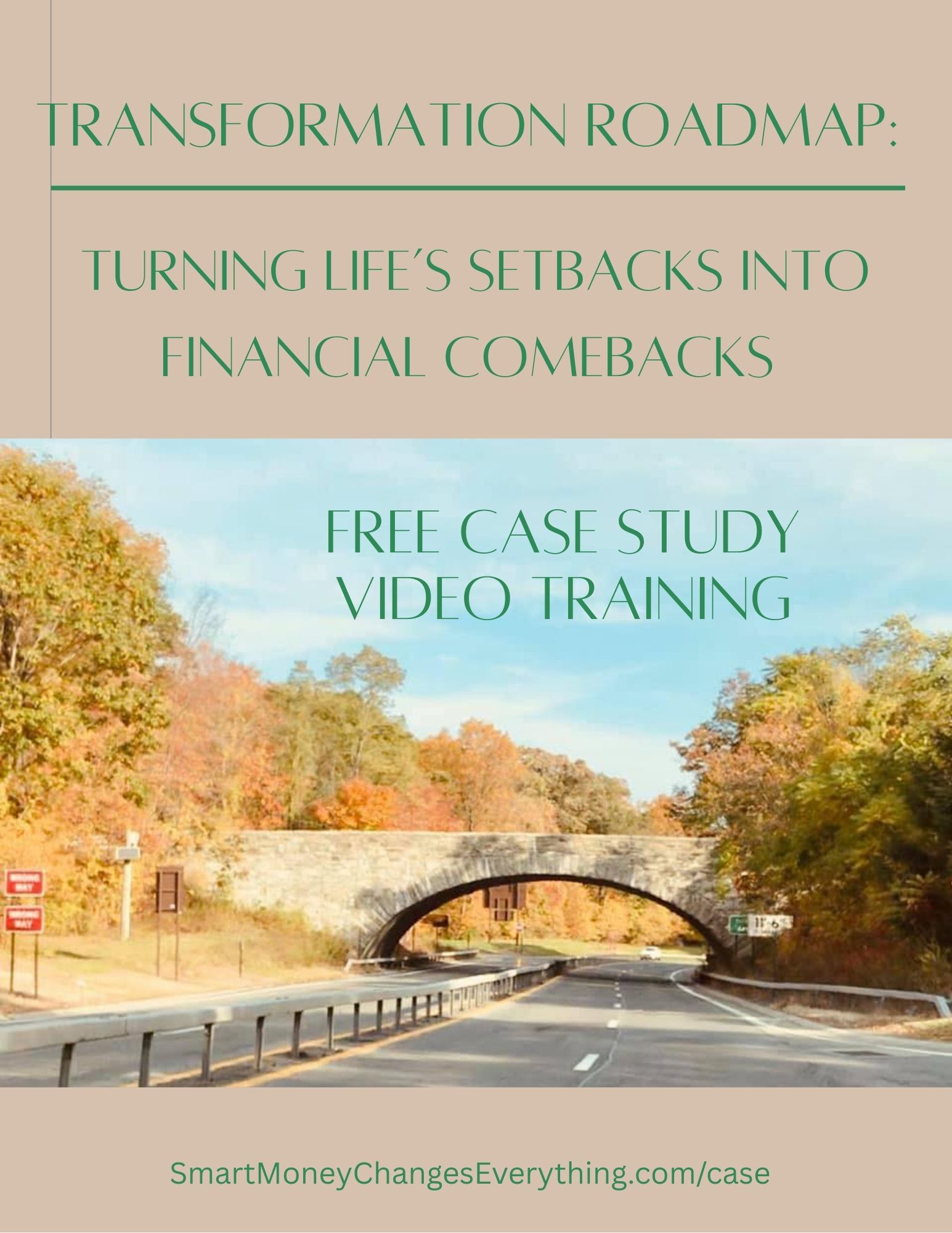
1) FOR ORGANIZATIONS: See Our Transformation Roadmap Framework in Action
Organizations often ask what structured financial literacy programming looks like in practice. To support implementation, I’ve created a free case study video.
This free case study video walks you through a real-world framework used with a community organization.
Discover:
How our proven 3-step framework creates lasting results
Real participant turning points as they moved from fear to confidence and action
The measurable impact organizations can achieve with the right financial literacy programming
How we can customize the program and outcomes to fit your community's unique needs
The data-driven measurements of your program impact that you can share with your stakeholders to scale your program
Request Access to the Free Case Study Video here or from the QR Code below

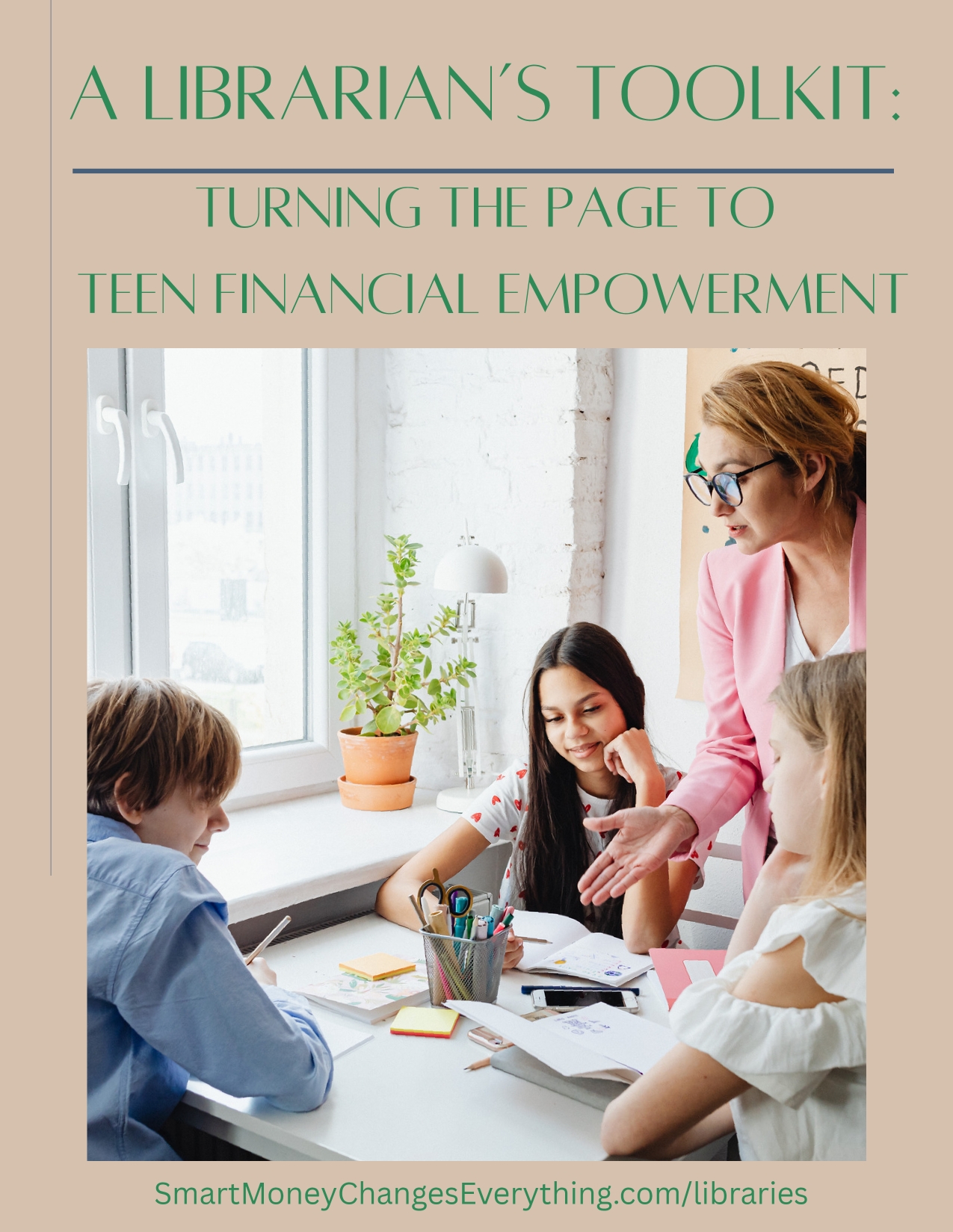
2) FOR LIBRARIES: The Librarian's Toolkit: Turning The Page to Teen Financial Empowerment
Teens will face significant financial choices sooner than they realize and often without the proper education or guidance.
Libraries are uniquely positioned to bridge that gap. Librarians have a powerful role in guiding young people toward life long learning.
To support implementation of teen financial literacy programs in libraries, I’ve created a free Librarian's Toolkit.
Discover in the toolkit:
Why financial literacy matters for teens, the important role of librarians, and the benefits for your library in offering this programming to your teens
Teen engagement tools to boost program turnout
A Teen Personal Finance Reading Challenge and Tracker
Request Your Free Librarian's Toolkit here or from the QR code below

Smart Money Changes Everything is a financial education blog and website. The information presented in this post is solely for your general financial education and is not to be considered financial advice. Always check with your trusted financial professionals who will consider your unique situation and goals to develop your personalized comprehensive plan.

