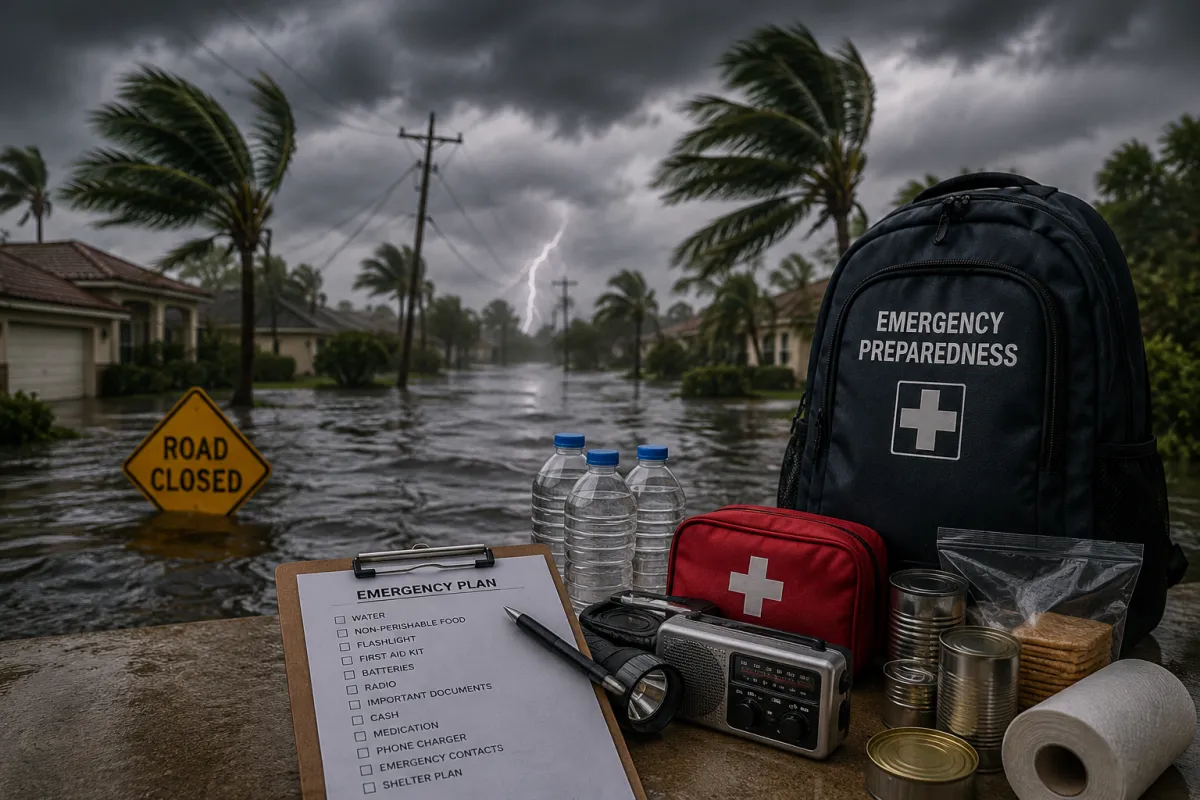
Emergency Preparedness Matters: Organizations Have a Critical Role in Building Community Resilience
For many people, emergency preparedness is something they assume they will deal with "if it ever happens." Unfortunately, emergencies rarely provide advance notice.
Whether it is a natural disaster, public health crisis, cyberattack, extended power outage, or personal financial emergency, organizations often find themselves on the front lines helping people navigate uncertainty. Schools, libraries, nonprofits, employers, faith communities, and community organizations all have an opportunity to play an important role in helping individuals and families become more prepared before a crisis occurs.
The need for preparedness is not theoretical.
Over the years, communities across the country have experienced hurricanes, floods, wildfires, public health emergencies, acts of terrorism, and economic disruptions that changed lives overnight. Many organizations witnessed firsthand how quickly normal routines can be disrupted and how vulnerable individuals can become when they lack a plan.
Why Emergency Preparedness Matters
Emergency preparedness is about more than stockpiling supplies. It is about helping people develop the knowledge, skills, and resources needed to respond effectively during challenging situations.
When individuals and families are prepared:
• They can respond more quickly during emergencies.
• They are less likely to panic and more likely to make informed decisions.
• They can protect their safety and well-being.
• They become more self-sufficient when outside assistance is delayed.
• They recover more quickly from disruptions.
Prepared communities are more resilient communities.
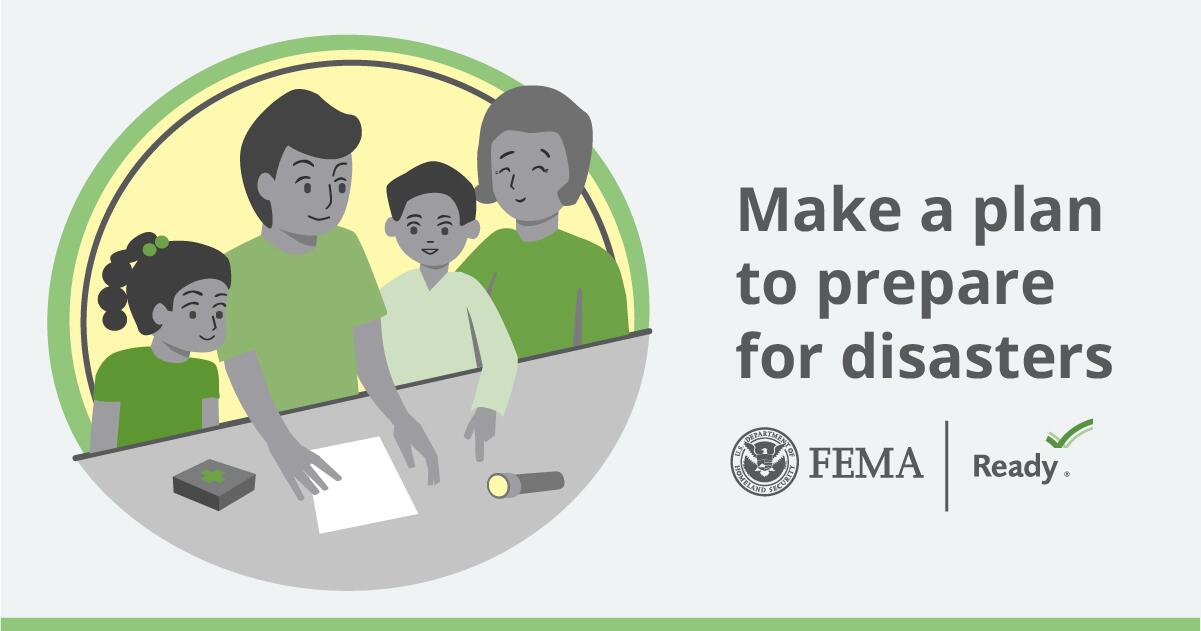
Top 15 Tips for Emergency Preparedness Guide.
The Growing Need for Preparedness Education
The number and frequency of emergencies affecting communities continue to increase. Organizations may encounter situations involving:
Natural Disasters
Hurricanes, floods, tornadoes, wildfires, severe storms, and other weather-related events.
Public Health Emergencies
Pandemics, disease outbreaks, and contamination events.
Technology and Infrastructure Disruptions
Cyberattacks, power outages, communication failures, and infrastructure breakdowns.
Personal and Family Emergencies
Medical crises, house fires, job loss, financial hardship, accidents, and caregiving challenges.
Many people understand that emergencies happen, but fewer have taken meaningful steps to prepare. This creates an opportunity for organizations to provide education that empowers individuals before a crisis occurs.
How Organizations Can Help
Organizations do not need to become emergency management experts to make a difference.
Simple educational initiatives can have a meaningful impact:
• Host emergency preparedness workshops for families, employees, students, or community members.
• Provide checklists and planning resources.
• Incorporate preparedness education into financial literacy, health, wellness, or life skills programs.
• Promote the importance of emergency savings funds.
• Encourage participants to create family communication plans.
• Share information about local emergency resources and services.
• Offer preparedness awareness campaigns during National Preparedness Month and throughout the year.
Libraries, schools, employers, nonprofits, and community organizations are uniquely positioned to serve as trusted sources of information and education.
Check this calendar from FEMA for preparedness tips for every month of the year.
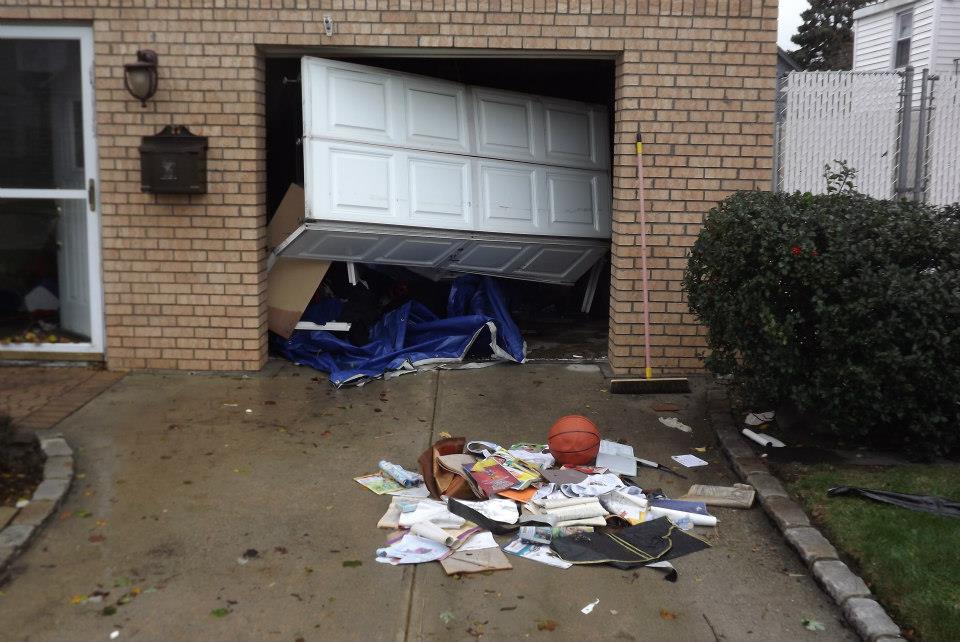
Building More Resilient Communities
One of the most important lessons learned from major events such as natural disasters, public health crises, and economic disruptions is that communities recover more effectively when individuals are prepared ahead of time.
While government agencies and relief organizations provide valuable support, assistance is often delayed due to the scale of an emergency. Prepared individuals, families, and organizations are better equipped to navigate those critical first hours and days.
By incorporating emergency preparedness education into their programming, organizations can help build stronger, safer, and more resilient communities.
Understanding FEMA and Disaster Assistance
The Federal Emergency Management Agency (FEMA) coordinates the federal government’s response to natural and man-made disasters. Responsible for coordinating the federal government response to natural and man-made disasters, FEMA also supports the state and local government response.
In addition to disaster response, FEMA is responsible to raise awareness of preparedness, help individuals and communities recover, mitigate impact of future disasters, and provide financial assistance to disaster victims.
The Bottom Line on How Organizations Can Help with Emergency Preparedness
Emergencies are not confined to one geographic area, demographic group, or stage of life. They can affect anyone at any time.
Organizations that educate and empower the people they serve are helping create communities that are better prepared to face uncertainty with confidence.
Emergency preparedness is more than a safety issue -it is a life skill. And the organizations that promote preparedness today may help prevent confusion, hardship, and loss tomorrow.
FREE RESOURCES:
1) FOR ORGANIZATIONS: See Our Transformation Roadmap Framework in Action
Organizations often ask what structured financial literacy programming looks like in practice. To support implementation, I’ve created a free case study video.
This free case study video walks you through a real-world framework used with a community organization.
Discover:
How our proven 3-step framework creates lasting results
Real participant turning points as they moved from fear to confidence and action
The measurable impact organizations can achieve with the right financial literacy programming
How we can customize the program and outcomes to fit your community's unique needs
The data-driven measurements of your program impact that you can share with your stakeholders to scale your program
Request Access to the Free Case Study Video here or from the QR Code below

2) FOR LIBRARIES: The Librarian's Toolkit: Turning The Page to Teen Financial Empowerment
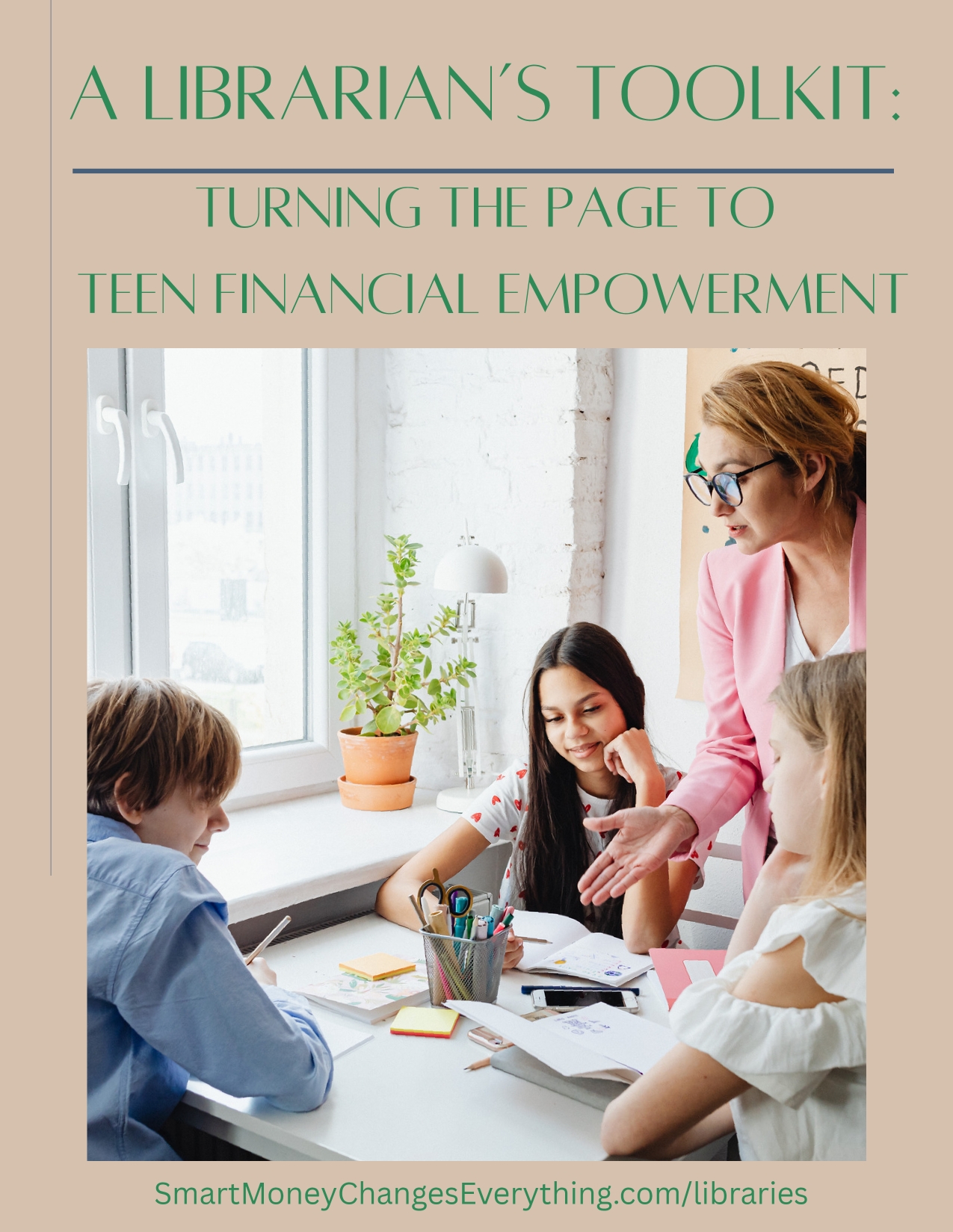
Teens will face significant financial choices sooner than they realize and often without the proper education or guidance.
Libraries are uniquely positioned to bridge that gap. Librarians have a powerful role in guiding young people toward life long learning.
To support implementation of teen financial literacy programs in libraries, I’ve created a free Librarian's Toolkit.
Discover in the toolkit:
Why financial literacy matters for teens, the important role of librarians, and the benefits for your library in offering this programming to your teens
Teen engagement tools to boost program turnout
A Teen Personal Finance Reading Challenge and Tracker
Request Your Free Librarian's Toolkit here or from the QR code below
QR Code for Free Librarian's Toolkit

Smart Money Changes Everything is strictly a financial education website. The information presented in this post is solely for your general financial education and is not to be considered financial advice. Always check with your trusted financial professional team who will consider your unique situation and goals to develop your own personalized comprehensive financial plan.

